Skip to content
TheBias Brief

Washington ExaminerSig. 6OpinionHealthPoliticsScience

Pancreatic cancer had a 13% survival rate. Trump’s FDA just changed everything

The article praises the FDA's approval of daraxonrasib for advanced pancreatic cancer, crediting the Trump administration's expedited review and priority voucher program. It argues that faster approvals, domestic manufacturing, and MAHA initiatives will bring more cures and strengthen U.S. drug development.

Daily MailSig. 2NewsClimateCultureScience

How long do you spend in the shower? Study reveals 'climate-anxious' Gen Z enjoy 10-minute soaks - but experts say you only need 3 minutes

A survey of 2,000 Britons found over half of 18-29-year-olds take showers lasting at least 10 minutes, even though that age group reports high environmental concern. Experts say a body-only shower need only take three minutes, with five minutes for hair washing. The article presents the findings as an awkward contradiction for climate-anxious Gen Z.

Right 1.9

Washington PostSig. 7NewsHealthScienceTechnology

A melanoma vaccine was hailed as a breakthrough. Which cancers are next?

An experimental mRNA melanoma vaccine succeeded in a Phase 3 trial, and researchers are now testing similar personalized vaccines for lung, pancreatic, breast, and brain cancers. The article explains how mRNA cancer vaccines work, highlights early promising results, and notes that many treatments remain years away from proving safe and effective.

Neutral

PBS NewsHourSig. 5NewsScience

Meet Earth's newest wild cat species, living in Bolivia and the first named in over a century

Scientists have identified a previously unknown wild cat species in Bolivia, named Leopardus tilcayo, marking the first formal description of a new living wild cat species in over a century. The small spotted feline was found at a wildlife sanctuary, and genomic analysis indicates its lineage split from relatives about 1.4 million years ago. Researchers hope the designation will help protect its cloud forest habitat.

Neutral

PBS NewsHourSig. 6NewsScienceClimate

'An unworldly experience.' Why scientists flew into firestorm clouds this wildfire season

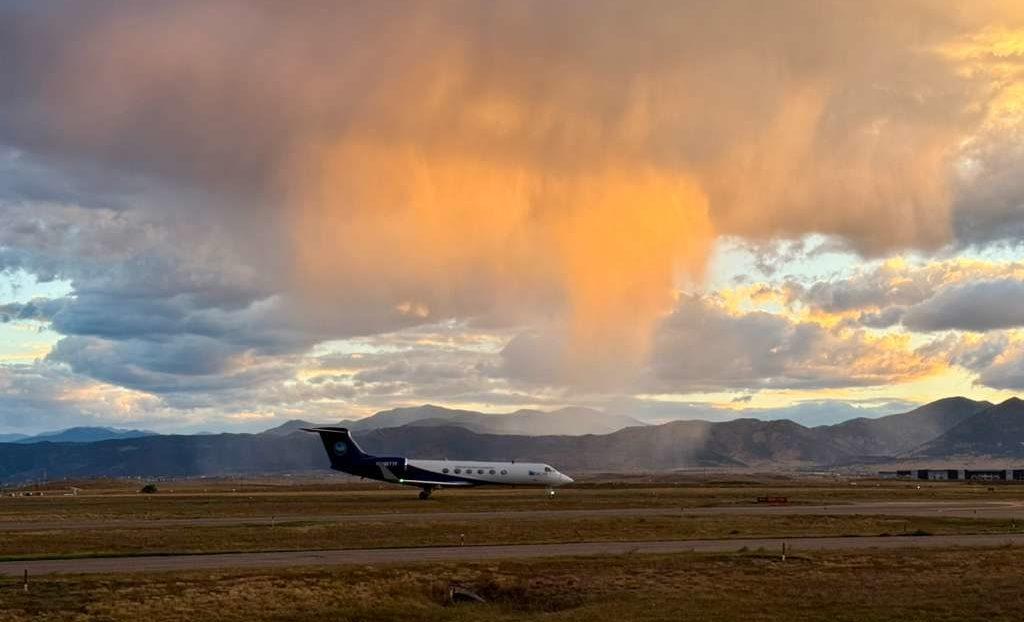
NASA, the U.S. Naval Research Laboratory, and the National Center for Atmospheric Research flew aircraft into pyrocumulonimbus clouds formed by intense wildfires as part of the INSPYRE mission. The mission gathered real-time data to better understand how these firestorm clouds form, behave, and affect the atmosphere, with the goal of improving forecasts and safety.

Neutral

Washington ExaminerSig. 7NewsHealthPoliticsScience

Trump says he is demanding drugmakers break up vaccines into five shots to prevent autism

Trump said his administration is pressuring drugmakers to split childhood vaccines into five lower-dose shots given at six-month intervals, citing the debunked vaccine-autism theory. The article notes the MMR-autism claim traces to a fraudulent, retracted 1998 study and that Trump previously signed an executive order reducing recommended childhood vaccines.

Left 2.3