Skip to content
TheBias Brief

VoxSig. 8AnalysisHealthScience

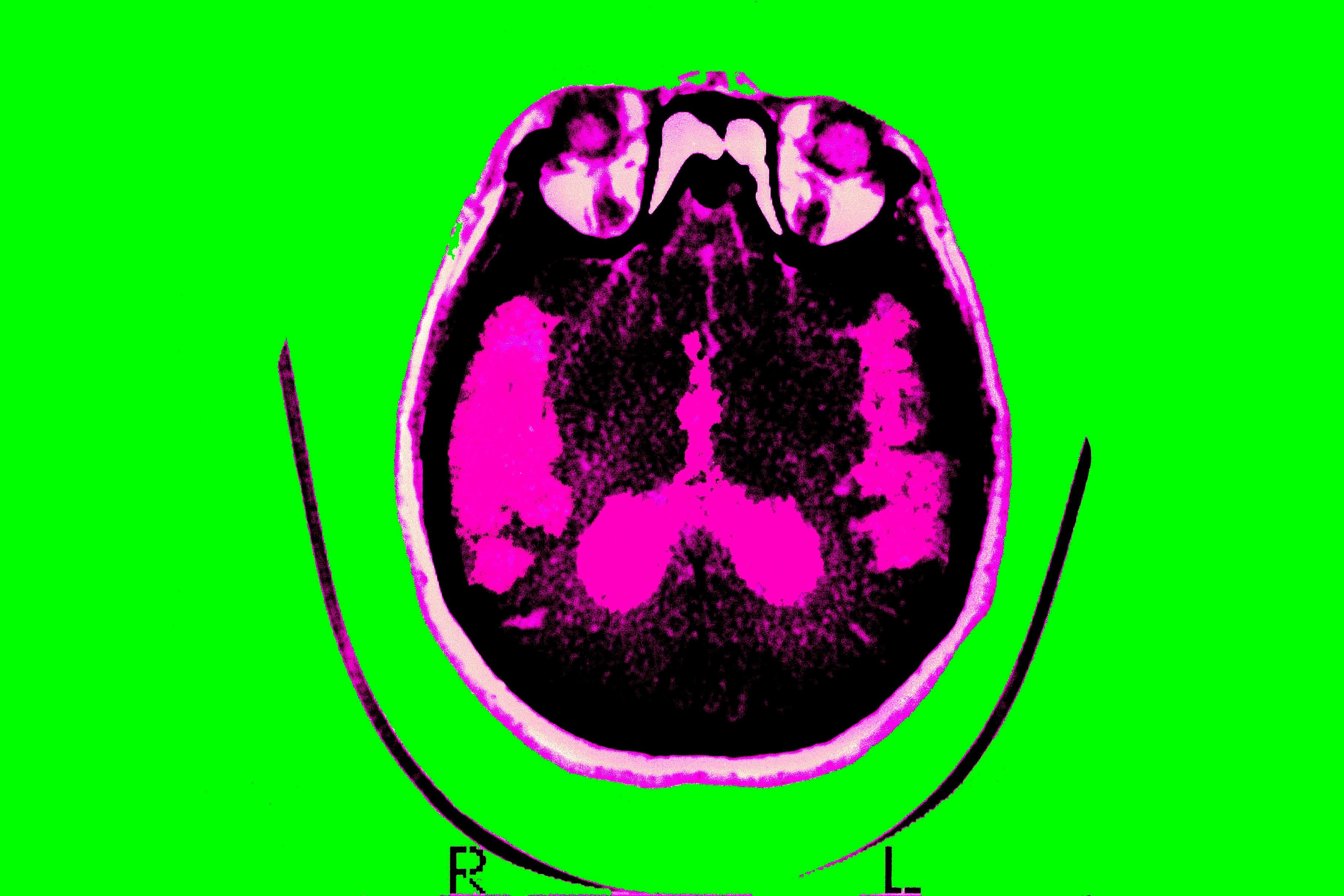
Scientists are finally starting to figure out Alzheimer’s

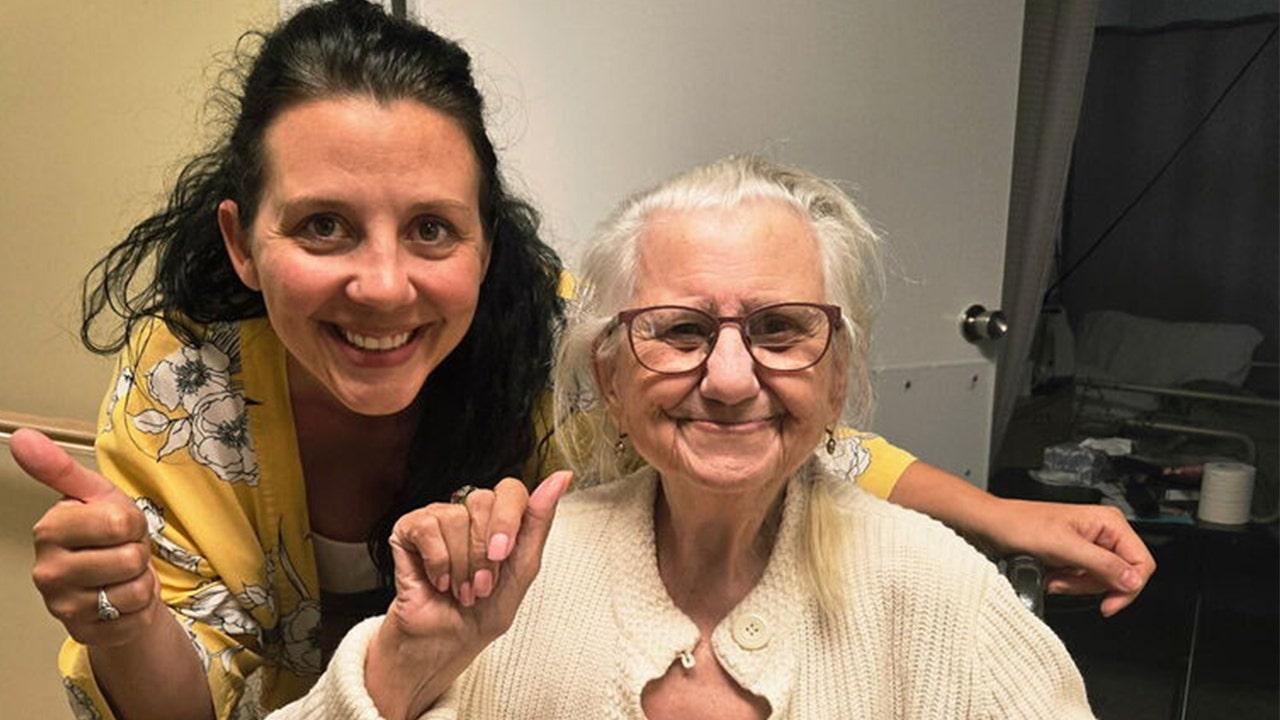
The article excerpts a Vox podcast discussion about recent progress in Alzheimer’s research, including FDA-approved amyloid-targeting drugs lecanemab and donanemab, promising tau and inflammation research, and possible GLP-1 benefits. It presents the field as increasingly optimistic after decades of slow progress.
Daily MailSig. 7NewsCrimeLawHealth

Frenzied attacker with a shovel killed three pensioners in their homes just hours apart, inquest hears

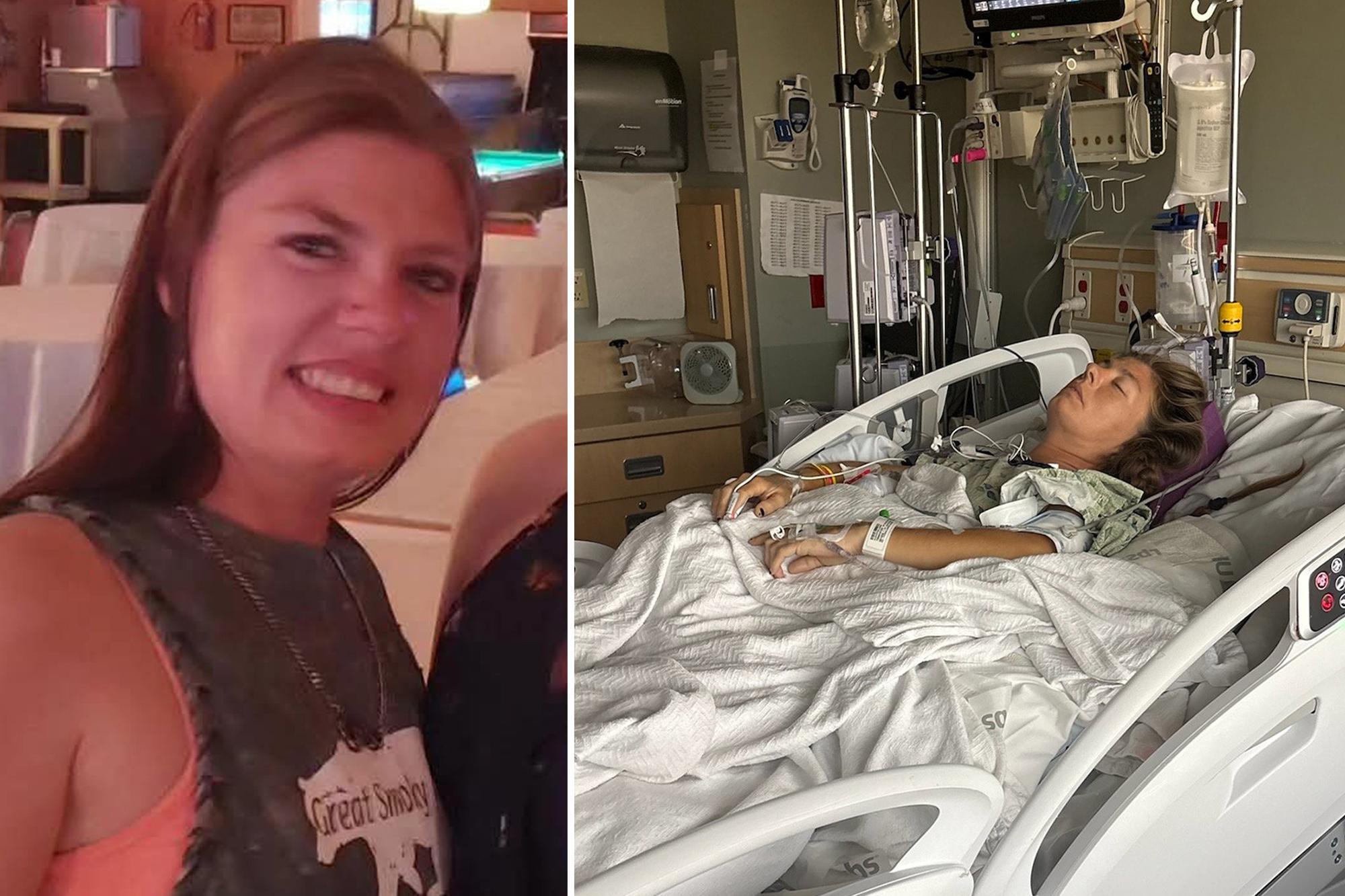
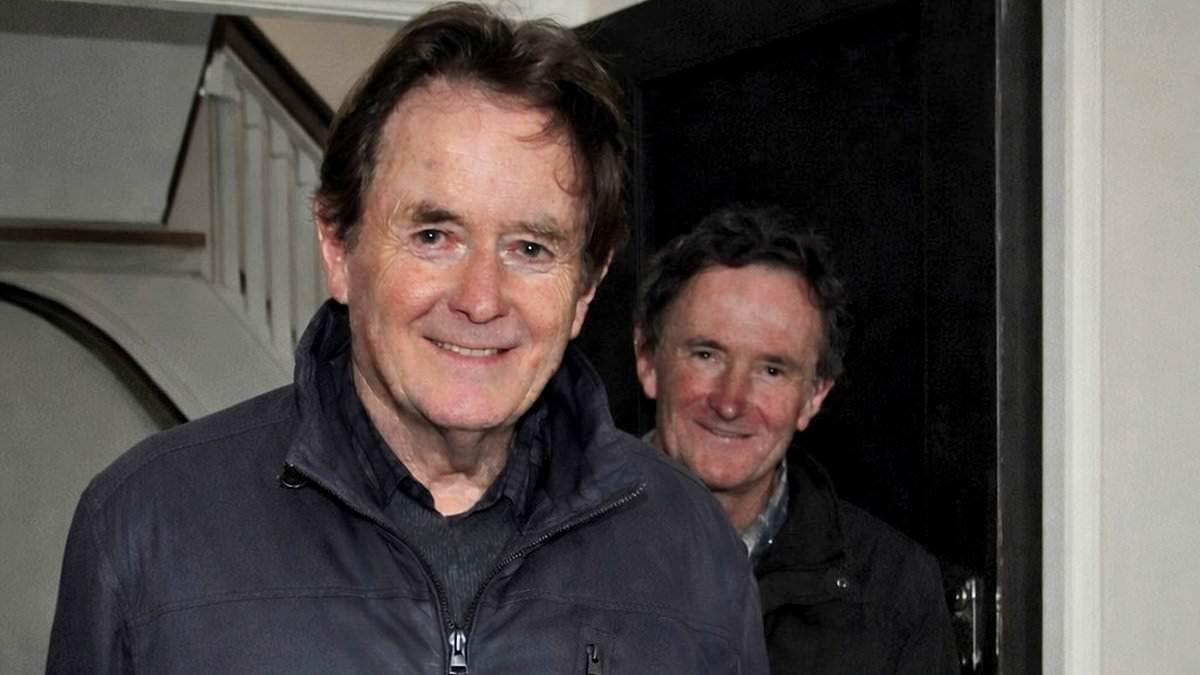
An inquest has heard how Alexander Lewis-Ranwell killed three elderly men in Exeter in 2019 after being released from police custody, despite signs of disturbed and aggressive behaviour. The coroner outlined repeated custody interactions and a missed mental health assessment before the killings. Lewis-Ranwell was later found not guilty by reason of insanity and detained indefinitely.

Neutral

New York PostSig. 5OpinionPoliticsHealthEducation

Gavin Newsom is finally apologizing for COVID. Let me help him finish

This opinion piece satirically drafts a fuller COVID apology for Gavin Newsom, accusing him of harming children, parents, small businesses, and Californians through lockdowns, school closures, vaccine mandates, and union influence. It frames his recent regrets as politically motivated ahead of a potential presidential run.

Right 5.0

New York PostSig. 7NewsLawPoliticsHealth

NYC’s top investigative agency kicks off probe into what local officials knew about toxic dust after 9/11

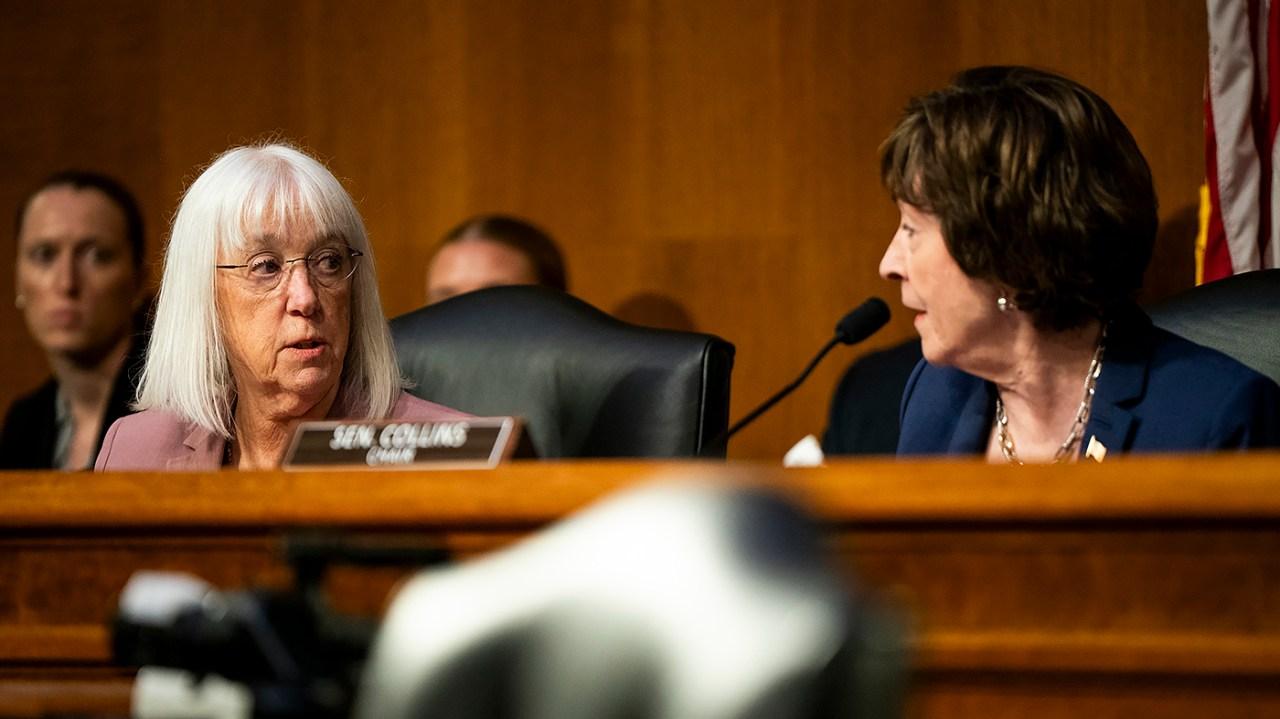
The New York City Department of Investigation has hired outside lawyers to examine what mayoral administrations from Giuliani through Adams knew about toxic dust at Ground Zero and whether they acted on it. The probe follows a City Council resolution and the Mamdani administration’s release of records about 9/11 air-quality risks. A plaintiffs’ lawyer questions whether the inquiry will trigger legal liability but welcomes the disclosure.

Left 3.4

New York PostSig. 6NewsAIHealthScience

New study finds startling flaw if AI starts choosing who gets organ donations: ‘Diverge from human values’

A Penn State study found that leading AI chatbots weigh patient traits differently from humans when deciding who should receive a scarce kidney, often fixating on one factor and projecting confidence instead of acknowledging moral ambiguity. Researchers and a collaborator say the findings show a need for continued research and governance before AI is used in ethically sensitive medical decisions.

Neutral