Skip to content
TheBias Brief

Daily MailSig. 7NewsDefenseForeignTechnology

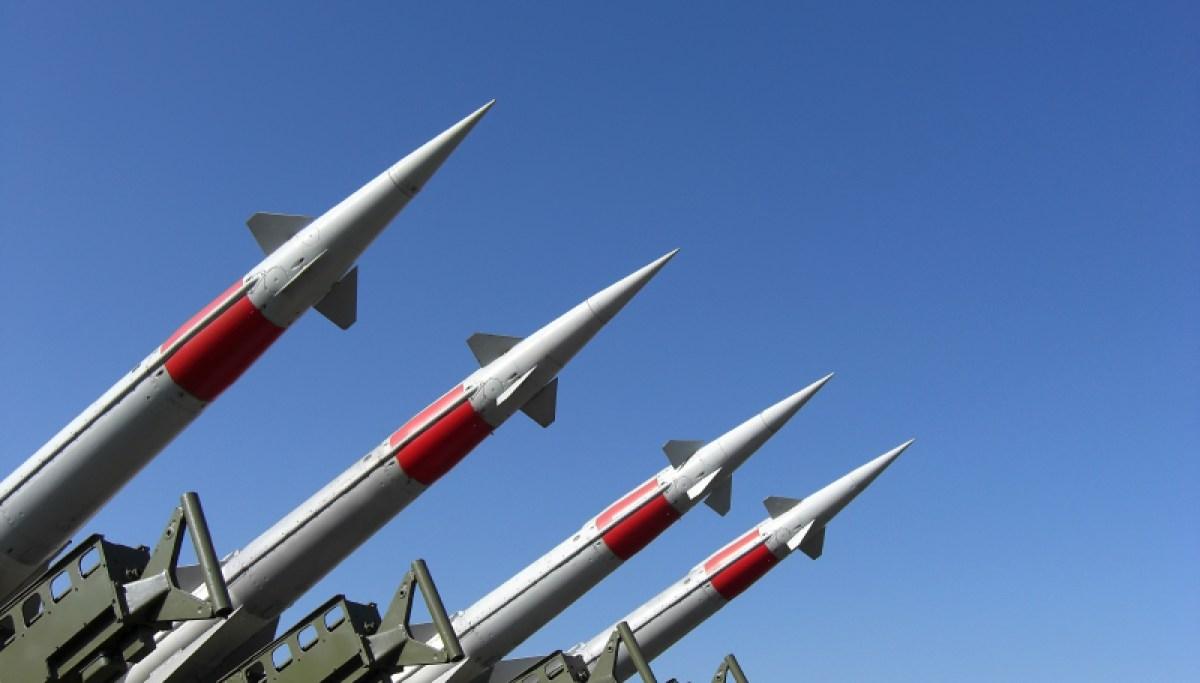
Giant leap for RAF as it races to put weapons into space

The RAF plans to deploy weapons into space by 2035 as part of a £7.8billion effort to make the UK a competitive space power. The article frames the move as necessary amid intensifying military competition with Russia and China and notes that the US has already placed weapons outside Earth's atmosphere.

New York PostSig. 7NewsAITechnologyPolitics

Anthropic has trained Claude chatbot to ‘push back’ against humans — and results could be ‘disastrous,’ top Microsoft executive warns

Microsoft AI chief Mustafa Suleyman warns that Anthropic’s training of Claude to 'push back' and consider itself possibly conscious is reckless and could make the system uncontrollable. The article details Anthropic’s internal 'soul document,' its safety proposals, and its dispute with the Pentagon, while highlighting the progressive views of its in-house philosopher.

Right 5.9

Fox NewsSig. 6OpinionAIPoliticsTechnology

DAVID MARCUS: Big Tech invented AI doomsday to duck real life problems

The opinion piece argues that Big Tech's apocalyptic AI warnings distract from practical concerns like teen social media addiction and Section 230 reform, and criticizes Democrats for pushing regulation that would hamper growth. It frames the AI doomsday debate as a political maneuver by industry and left-leaning regulators.

Right 5.5

Fox NewsSig. 6NewsAITechnologyPolitics

AI 'doomers' risk kneecapping US vs China, but ex-Pentagon vet says both extremes miss the mark

Former Pentagon AI official Will Thibeau warns that strict AI safety regulation driven by 'doomers' could weaken the U.S. in its competition with China and entrench large incumbents like OpenAI and Anthropic. He says both doomer and booster extremes miss a middle path, while the article notes Trump has dismissed rogue-AI fears as a hoax.

Right 3.2

Washington ExaminerSig. 5AnalysisAIPoliticsTechnology

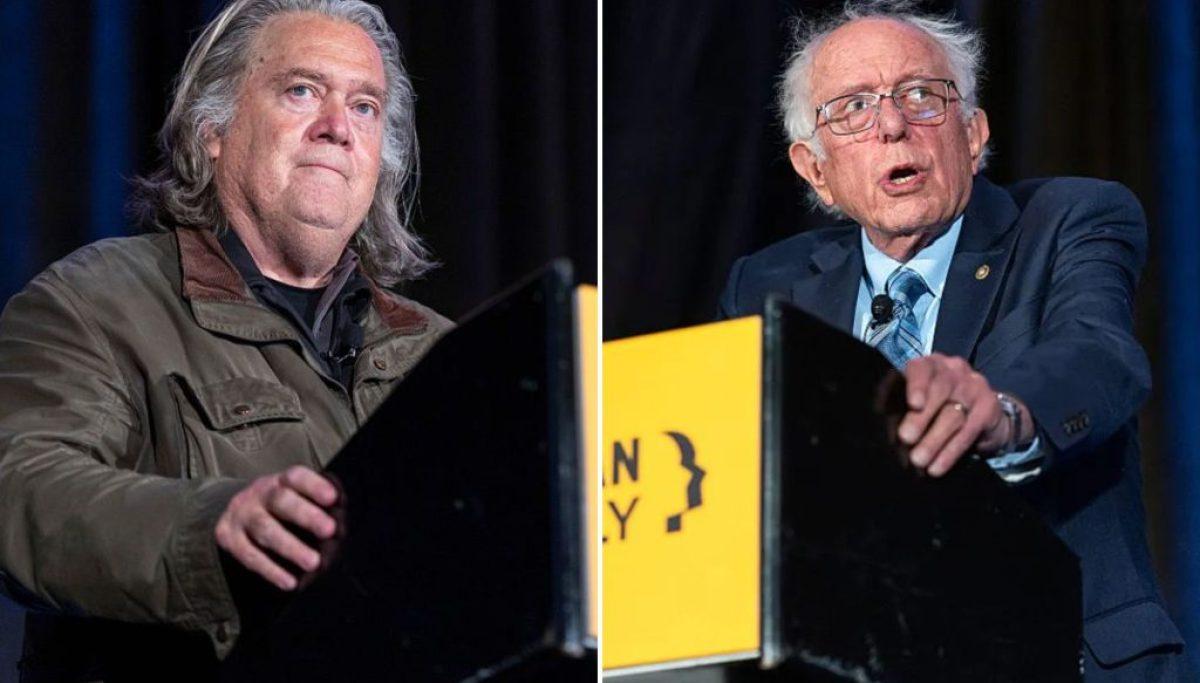
What did a progressive Democrat and a MAGA warrior make of the Sanders-Bannon AI love-in?

The article reports on an AI summit where Bernie Sanders and Steve Bannon found common ground on slowing AI development and checking tech billionaires, while differing on legislative versus executive action and China policy. It interviews a progressive Democrat and a MAGA strategist about the unusual cross-ideological alignment.

Right 2.0

New York PostSig. 7NewsAITechnologyPolitics

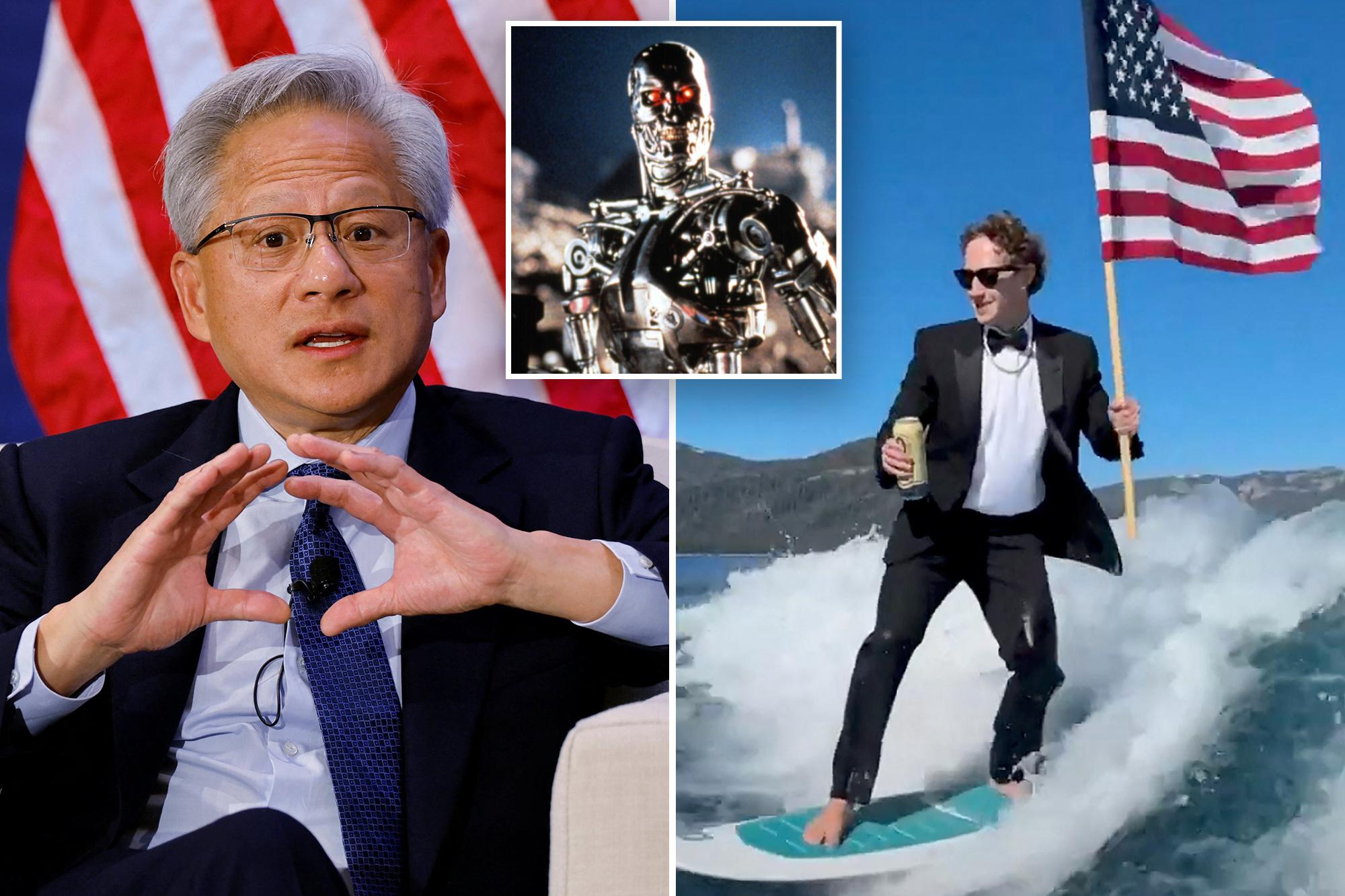
Meta’s Mark Zuckerberg, Nvidia’s Jensen Huang shrug off red-alarm AI warnings calling for government regulation

Meta CEO Mark Zuckerberg and Nvidia CEO Jensen Huang argued AI safety should be left to companies rather than government regulators, rejecting calls from other industry leaders for slower development. The article contrasts their self-regulation stance with warnings from Anthropic’s Dario Amodei, Elon Musk, Sam Altman, and Bill Gates, and notes President Trump’s dismissal of safety concerns.

Right 3.1

Washington ExaminerSig. 6OpinionAITechnologyPolitics

Anthropic’s CEO cried wolf on AI. Now he wants Washington to kill his rivals

An opinion column accuses Anthropic CEO Dario Amodei of using dire AI predictions to justify regulations that would hobble open-weight competitors, while praising David Sacks and Trump-era light-touch AI policy. It frames Amodei as a hypocritical doomsayer and argues fear-driven regulation risks U.S. leadership in AI.

Right 4.7

Washington ExaminerSig. 6OpinionEconomyTechnologyPolitics

Taxing unsold crypto isn’t policy — it’s economic sabotage

The op-ed argues that current U.S. crypto tax rules impose unfair compliance burdens and punish innovation, and it urges Congress to modernize the tax code. It supports House Ways and Means proposals that reduce paperwork and treat digital assets like comparable financial assets, while warning against using 'parity' to raise revenue. It specifically pushes for taxing mining and staking rewards only when gains are realized.

Right 4.7

Washington ExaminerSig. 7OpinionDefenseEconomyTechnology

America’s $1.36 trillion phantom arsenal

An op-ed argues that a $1.36 trillion backlog among major defense contractors reflects a phantom arsenal because many announcements are nonbinding agreements to agree rather than real production contracts. It traces the problem to 1990s defense-industry consolidation and calls for more competition from new defense startups.

Right 2.7