CBS NewsSig. 4NewsDefenseScience
Watch: Pentagon releases 15 new UFO videos
The Pentagon released 15 new UFO videos as a sixth batch of files on Friday. The article notes the release came more than a month after the previous batch.
CBS NewsSig. 4NewsDefenseScience
The Pentagon released 15 new UFO videos as a sixth batch of files on Friday. The article notes the release came more than a month after the previous batch.
PBS NewsHourSig. 6NewsScienceClimate
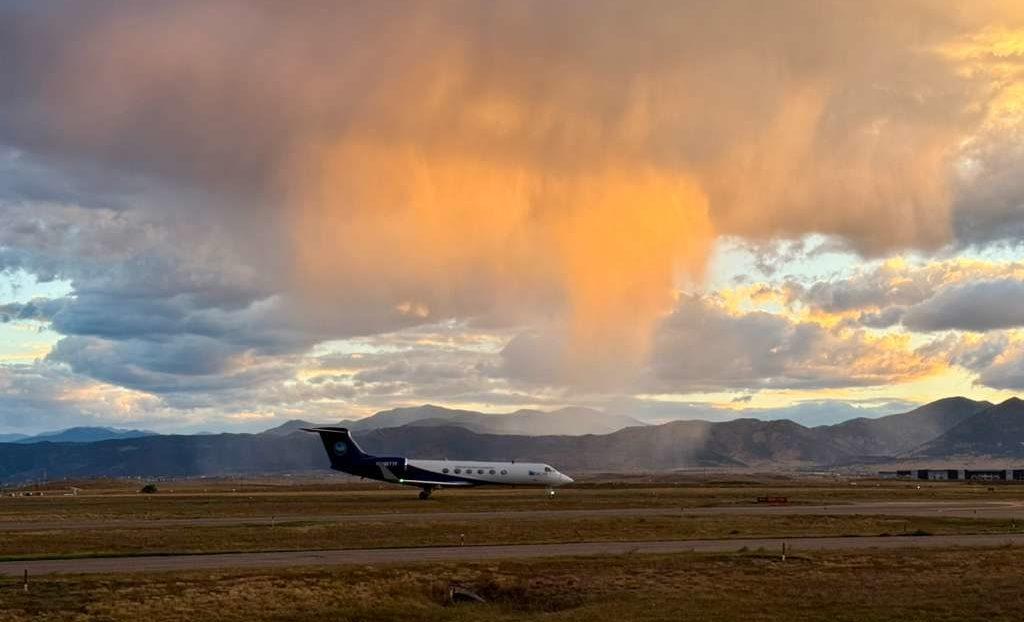
NASA, the U.S. Naval Research Laboratory, and the National Center for Atmospheric Research flew aircraft into pyrocumulonimbus clouds formed by intense wildfires as part of the INSPYRE mission. The mission gathered real-time data to better understand how these firestorm clouds form, behave, and affect the atmosphere, with the goal of improving forecasts and safety.

NPR reports on the 2026 Fat Bear Week bracket at Katmai National Park, which expands to 16 bears and highlights a record number of cubs. The piece describes the competition, bear backgrounds, and public voting schedule without political framing.

New York PostSig. 6NewsCrimeLawScience
Jancys Santiago was sentenced to 25 years for a 2001 Bronx rape after a new DNA matching method, investigative genetic genealogy, helped crack the cold case. The victim gave impact testimony, and the sentence will run consecutively with a 20-year term for a separate Manhattan rape. The defense plans to appeal.

VoxSig. 6AnalysisAITechnologyScience
A Vox newsletter Q&A with writer Jasmine Sun answers reader questions about AI existential risk, covering why the current panic feels different, how AI might cause harm, and which nearer-term threats are more plausible. It presents doomer and skeptic perspectives, concluding AI risk is complex but worth taking seriously.
Fox NewsSig. 5NewsHealthScience
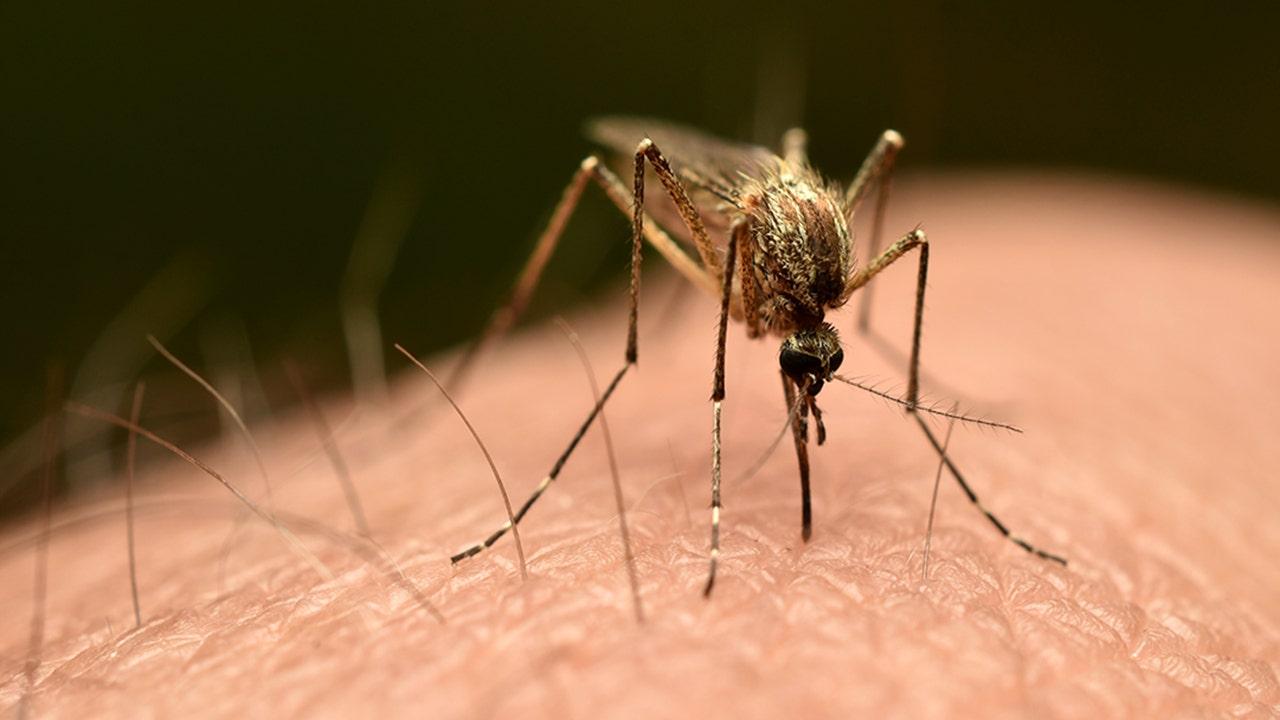
A third person has died in a rare 'airport malaria' outbreak linked to mosquitoes reportedly transported on flights to Frankfurt, Germany. Six airport employees also contracted the disease, and officials say the infections involved Plasmodium falciparum and were not spread person-to-person.

The HillSig. 5NewsDefenseScience
The Pentagon released its sixth batch of UFO-related files, including audio and a transcript from a March 1952 Project Blue Book briefing by Air Force Capt. Edward J. Ruppelt. The recording documents Air Force cooperation with Battelle Memorial Institute and with LIFE magazine on a 1952 UFO article, while not confirming alleged Roswell connections. Rep. Eric Burlison had pushed for release of the audio.

New York PostSig. 4NewsHealthScienceEducation
A New York Post health article reports on research linking childhood reading for pleasure to better mental health, cognitive skills, and brain development later in life. It cites studies and experts while noting declining reading rates among American children.
New York PostSig. 2NewsScienceOther
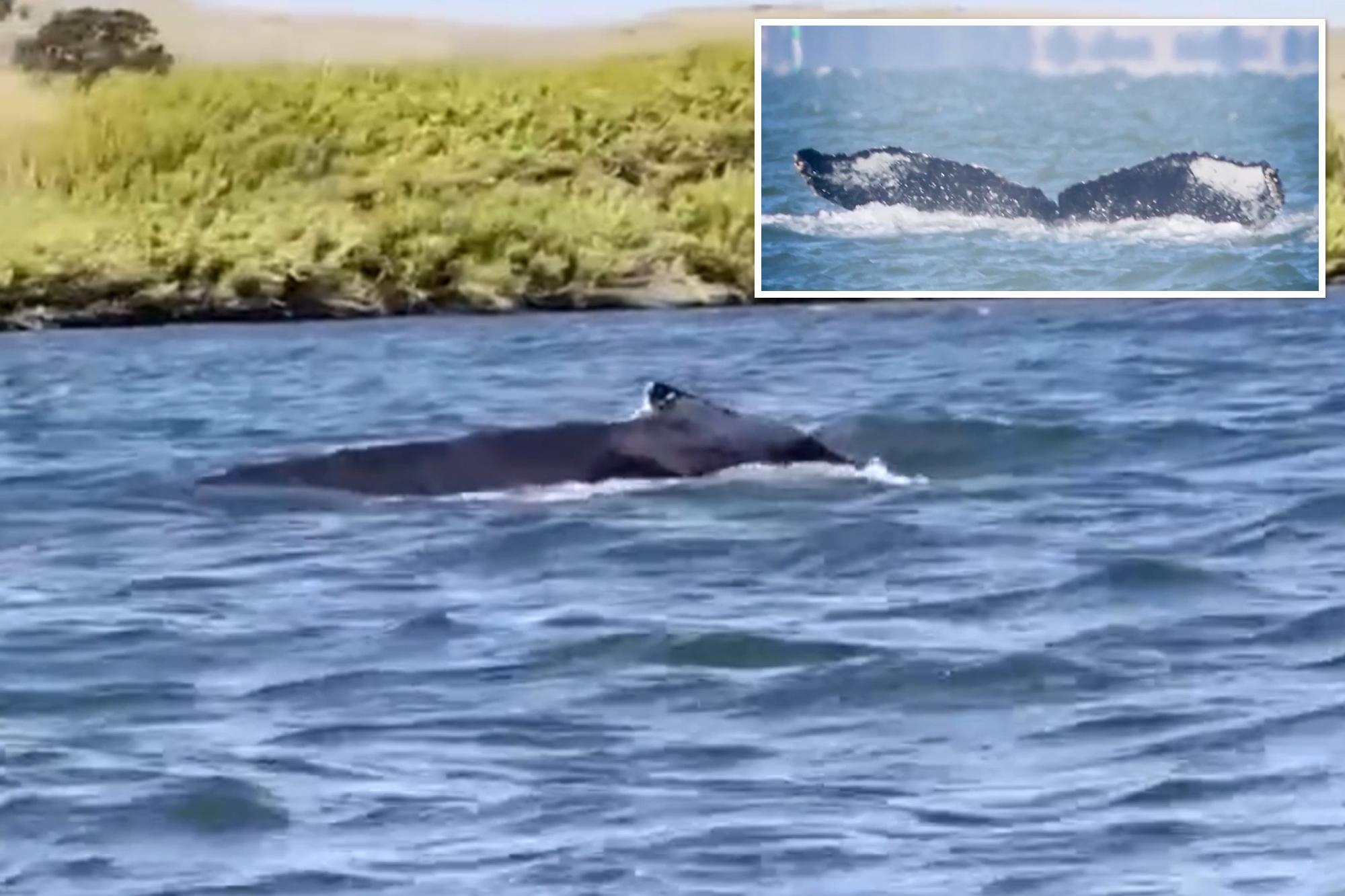
A humpback whale made a rare appearance in the Sacramento River, surprising a group of fishermen. The whale, known as CRC-11620 or Rio, was monitored by the Marine Mammal Center, which urged the public to keep a respectful distance.
Fox NewsSig. 2NewsOtherCultureScience
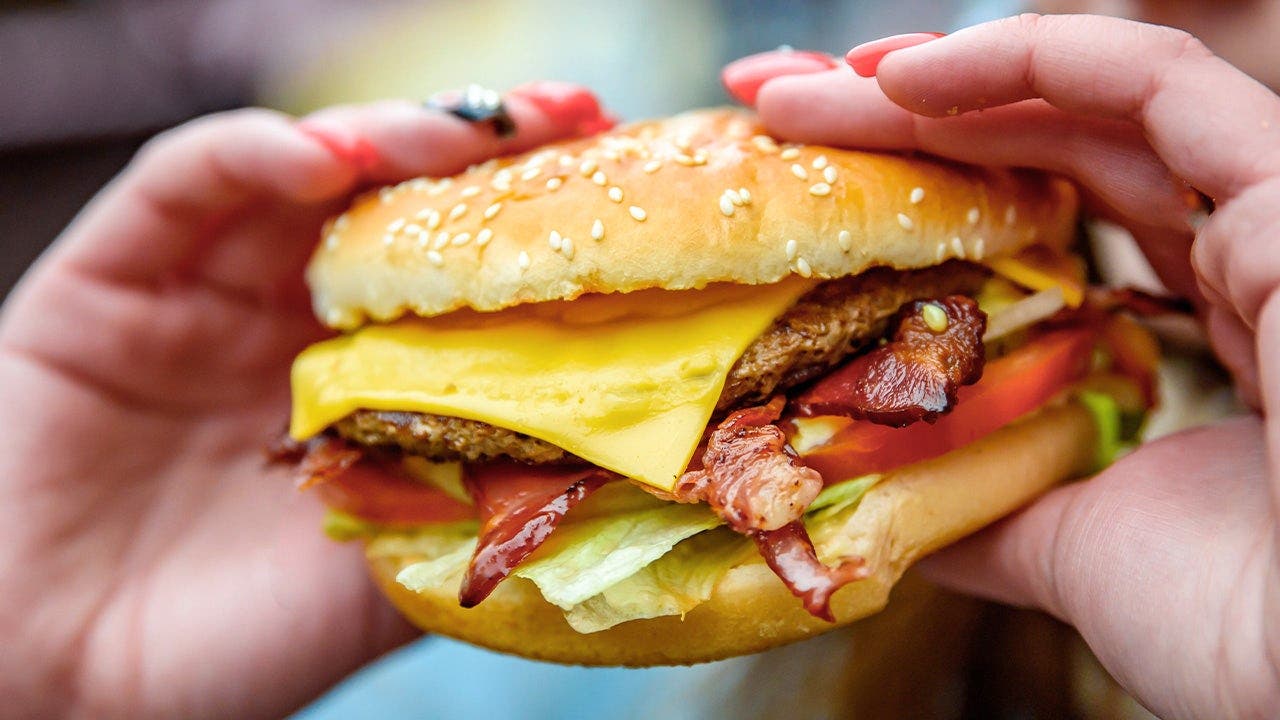
A lifestyle article marks National Cheeseburger Day with expert advice on which cheeses melt best on burgers, citing a dairy researcher and a 2015 survey on cheese preferences. It explains that meltability comes down to science and notes American and cheddar as top choices.

New York PostSig. 6NewsScienceHealth
Stanford researchers transplanted lab-grown human cortical organoids into bioengineered mice, where the tissue integrated and formed connections. The study, published in Nature, aims to advance research into brain disorders such as autism, schizophrenia, cerebral palsy, and epilepsy. The article reports the findings and researcher comments largely without political or ideological framing.
New York PostSig. 3NewsScience
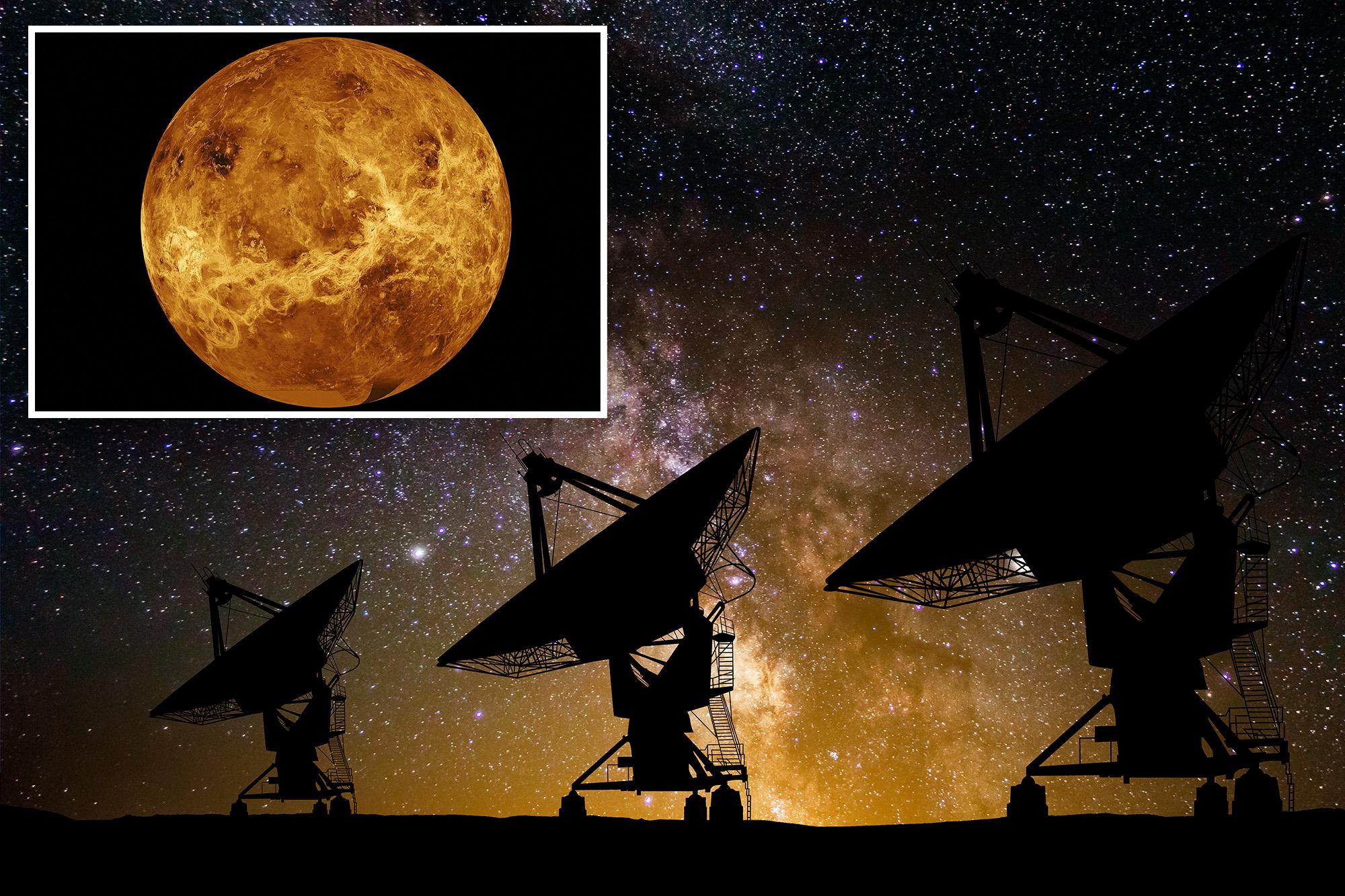
A new astrophysics study proposes that Venus may once have had a moon that spiraled inward and was consumed by the planet because of Venus's extremely slow rotation. The article outlines the researchers' modeling, contrasts it with Earth-moon dynamics, and notes past alternative explanations.