Skip to content
TheBias Brief

PBS NewsHourSig. 2NewsScienceOther

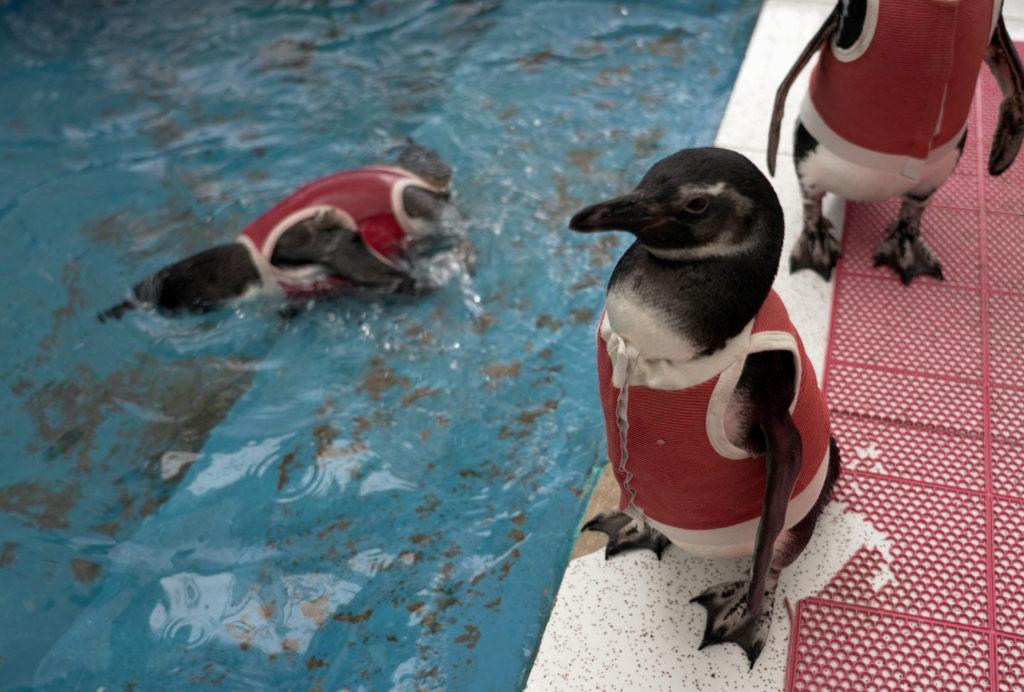
These copper vests are helping injured penguins heal faster

A PBS News segment reports on copper vests used in Chile to help injured penguins heal and get back on their feet. It presents the treatment as an innovative animal rehabilitation effort without political or ideological framing.
Daily MailSig. 6NewsHealthScience

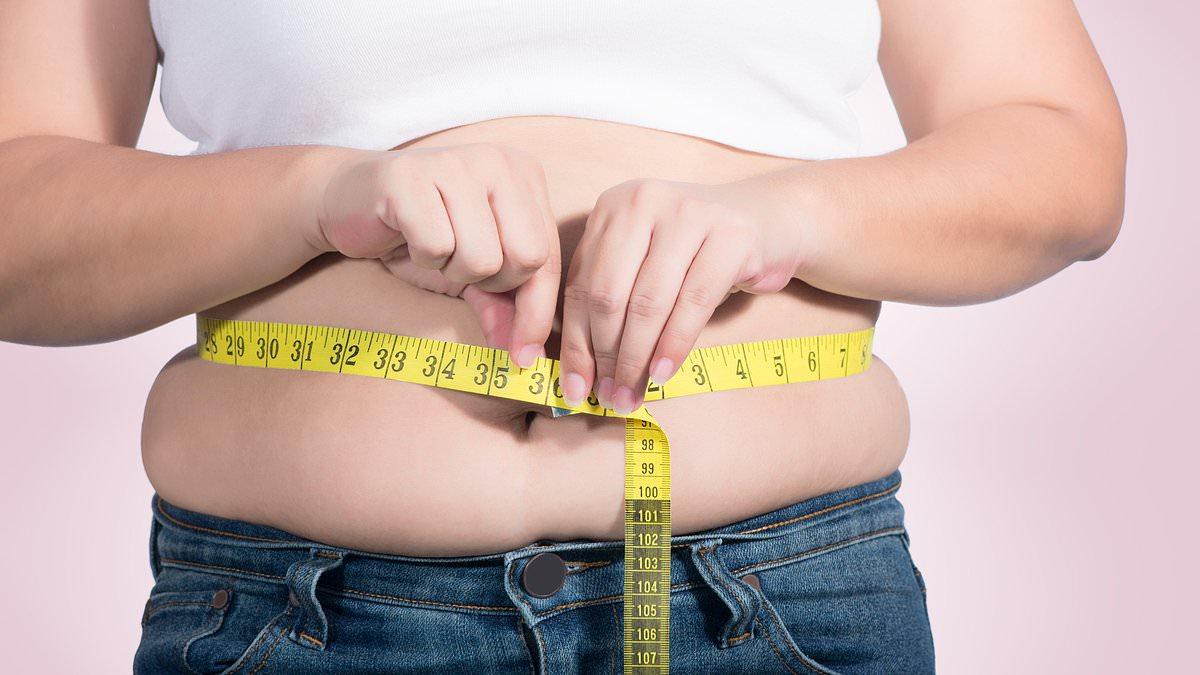
Cancer warning for type 2 diabetics: Condition linked with 22 per cent higher risk of deadly tumours, study finds

A Danish study finds people with type 2 diabetes face higher risks of several cancers, especially obesity-related cancers, with risk patterns differing by sex and cancer type. Researchers stress the findings show an association rather than causation and call for more attention to cancer prevention in diabetes care.

Neutral

VoxSig. 8AnalysisHealthScience

Scientists are finally starting to figure out Alzheimer’s

The article excerpts a Vox podcast discussion about recent progress in Alzheimer’s research, including FDA-approved amyloid-targeting drugs lecanemab and donanemab, promising tau and inflammation research, and possible GLP-1 benefits. It presents the field as increasingly optimistic after decades of slow progress.

Neutral

NPRSig. 3NewsScienceCulture

What the equinox 'henge' effect tells us about U.S. cities

The fall equinox produces "henge" effects in U.S. cities whose east-west streets align with sunrise and sunset. The article explains the phenomenon through urban planning and astronomy experts, noting its roots in ancient celestial alignments and modern grid layouts.

Neutral

PBS NewsHourSig. 5NewsScienceClimateForeign

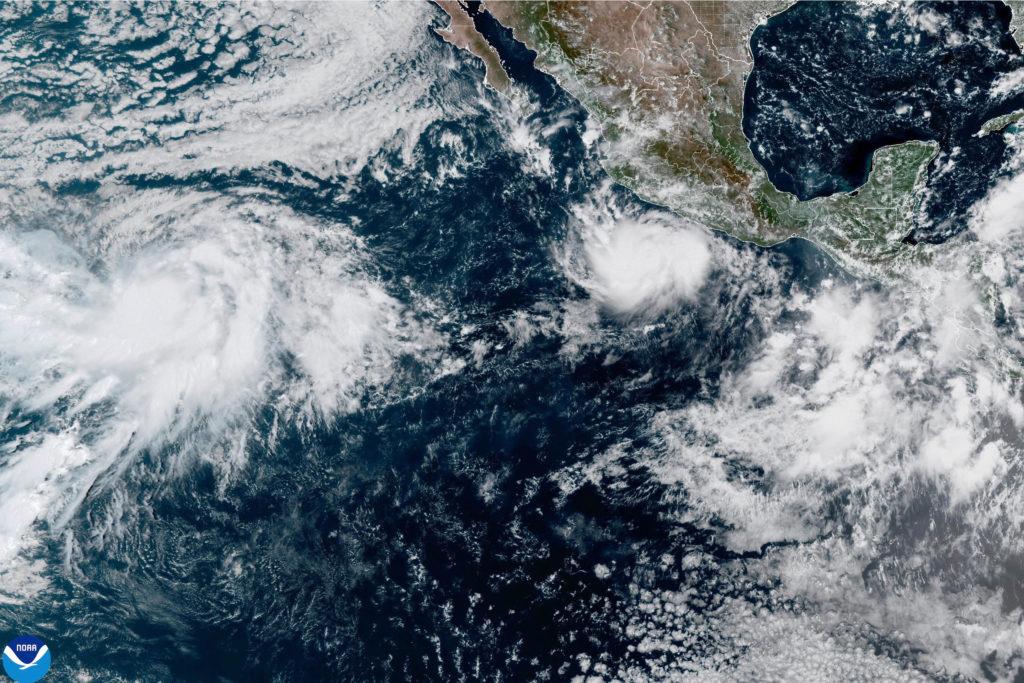
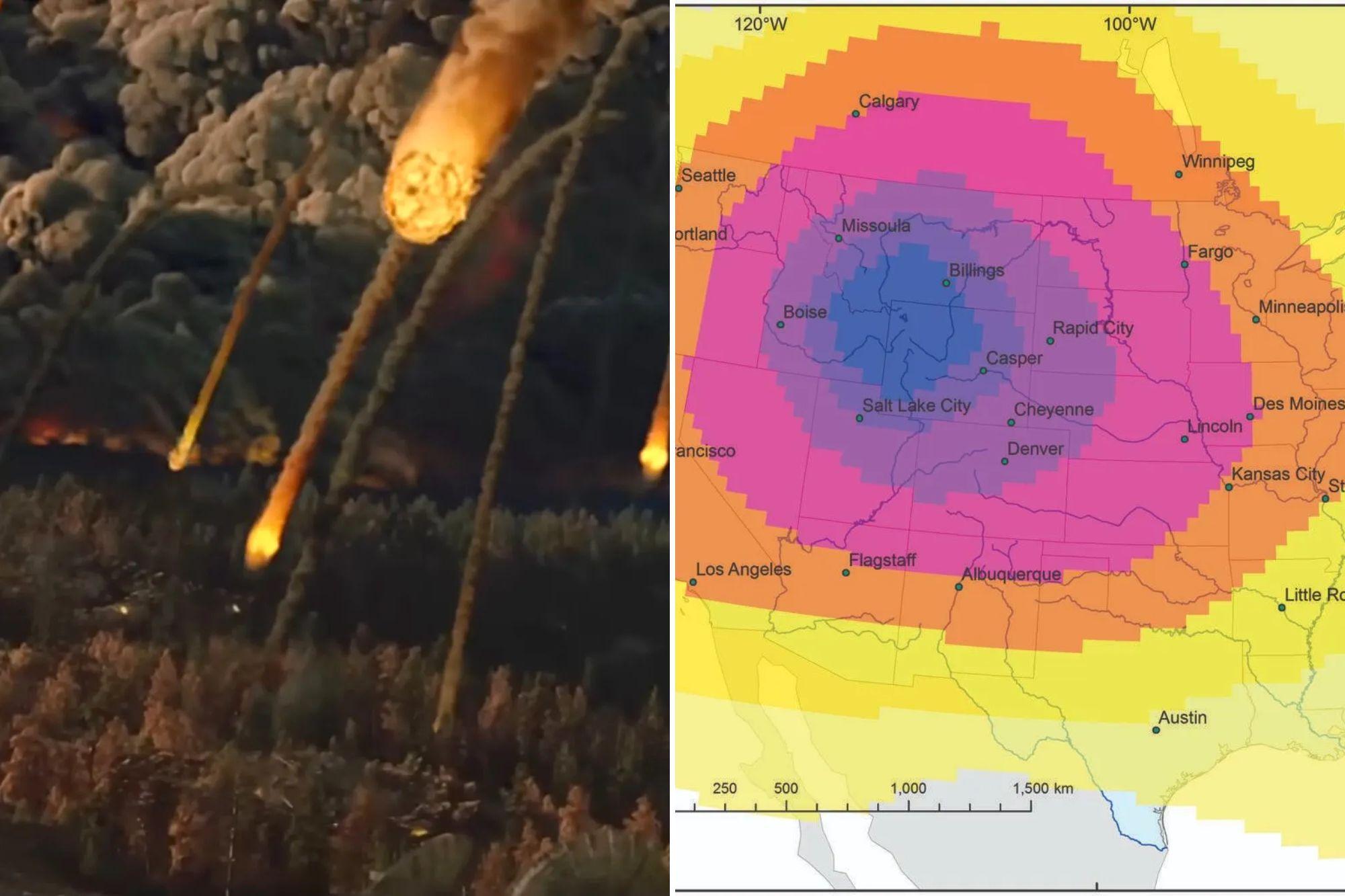
Polo has rapidly intensified to a hurricane and is expected to impact Mexico

Hurricane Polo rapidly intensified in the Pacific and is forecast to become a major hurricane, potentially bringing heavy rain, rough surf and tropical-storm-force winds to parts of Mexico. Forecasters expect it to stay offshore while strengthening, with flooding and mudslides possible. The article also updates Tropical Storm Odalys and weakening Tropical Storm Fay, noting no Atlantic hurricanes have formed yet this year due to El Nino.

Neutral

New York PostSig. 6NewsAIHealthScience

New study finds startling flaw if AI starts choosing who gets organ donations: ‘Diverge from human values’

A Penn State study found that leading AI chatbots weigh patient traits differently from humans when deciding who should receive a scarce kidney, often fixating on one factor and projecting confidence instead of acknowledging moral ambiguity. Researchers and a collaborator say the findings show a need for continued research and governance before AI is used in ethically sensitive medical decisions.

Neutral

The HillSig. 2NewsCultureScienceOther

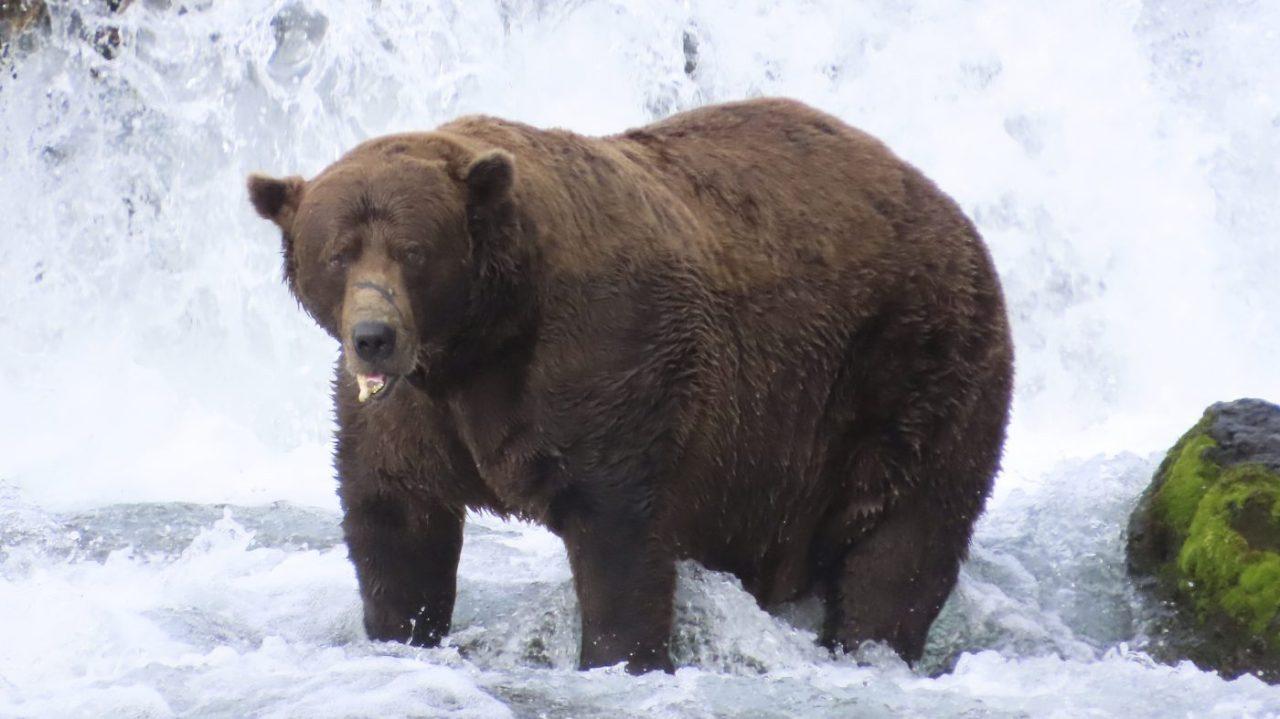
Fat Bear Week 2026 begins: What to know, how to vote

Voting for Fat Bear Week 2026 begins Tuesday, with the public choosing which Katmai National Park brown bears have best prepared for hibernation. The annual National Park Service tournament started in 2014 and drew about 1.5 million votes last year. A winner will be named Sept. 29.

Neutral

BBC NewsSig. 3NewsScience

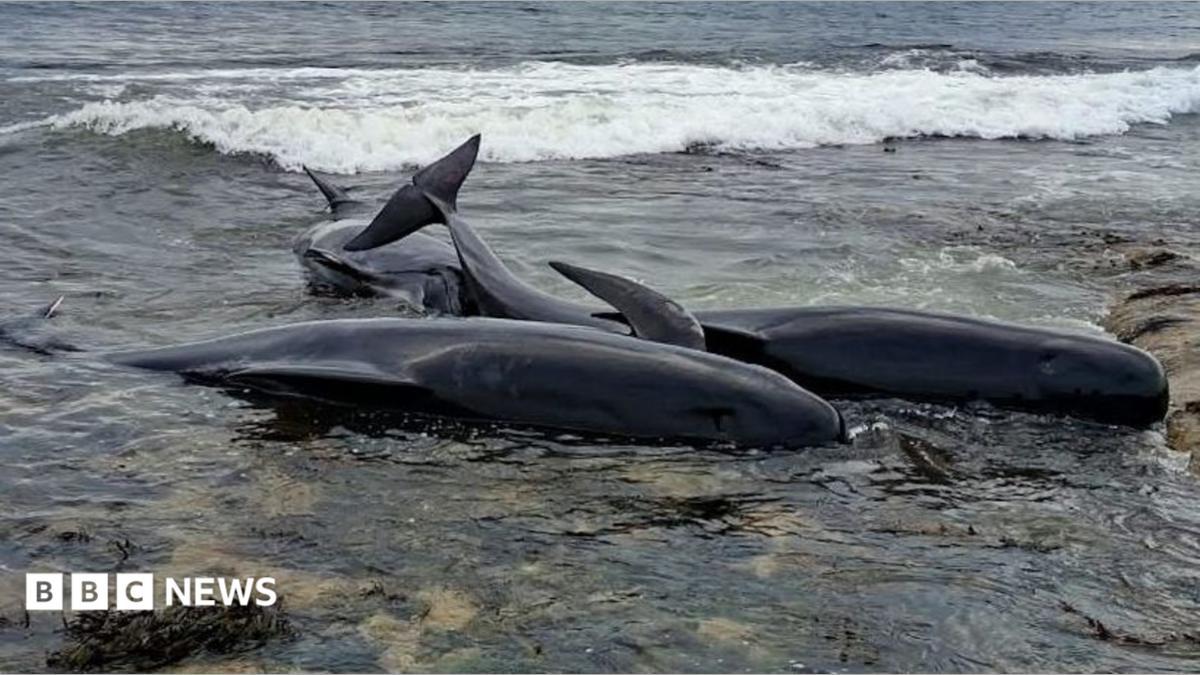
Two pilot whales dead after mass stranding

A pod of about 40 pilot whales was spotted in distress off the Northumberland coast, and two died after rescue attempts were hampered by tides and limited access. Rescue teams and RSPB staff are continuing to monitor the coast and aid surviving whales. The article also outlines common explanations for mass strandings.

Neutral

New York PostSig. 7NewsHealthScience

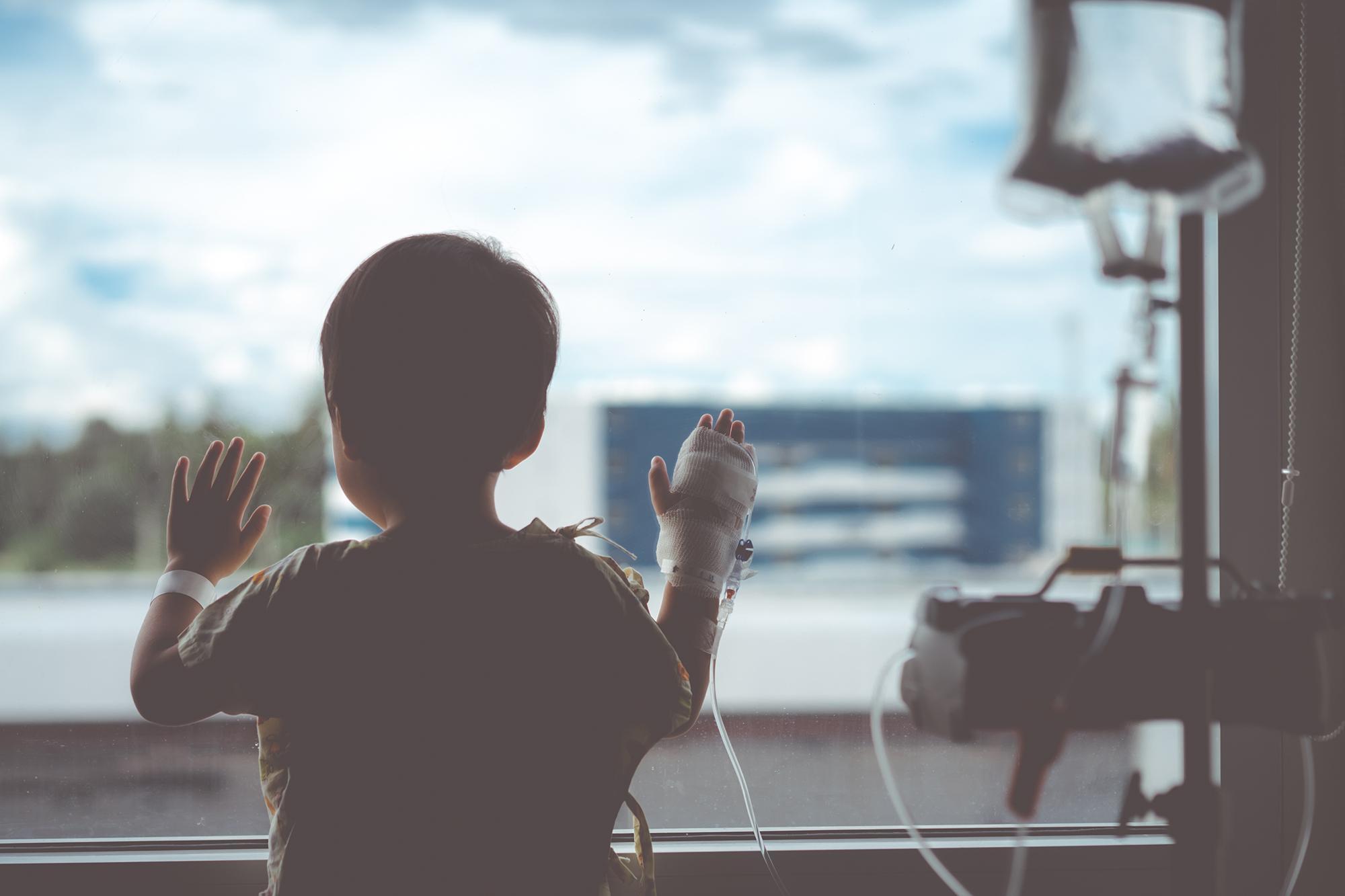
3-year-old boy’s quick-spreading cancer is cured thanks to 2 doses of new treatment

A 3-year-old boy with chemo-resistant hepatoblastoma that had spread to his lungs and possibly bones was declared cancer-free after two doses of an experimental GPC3-CAR T-cell therapy. The case report, published in a major medical journal, suggests the therapy may be safe and effective for some solid tumors, though more research is needed.

Neutral