Skip to content
TheBias Brief

Washington ExaminerSig. 7OpinionAIDefenseForeign

AI didn’t almost trigger a war with China. The Pentagon’s blind faith in it did

A CNN report revealed that a military analyst used an AI chatbot to misinterpret a Chinese ship's cargo as a nuclear weapons component, prompting U.S. forces to prepare an interception before experts corrected the error. The op-ed argues the incident shows the Pentagon's institutional failure to verify AI-assisted intelligence, not that AI itself nearly caused a war. It calls for stronger verification, independent corroboration, and correction mechanisms as AI is adopted faster in military operations.
New York PostSig. 7AnalysisDefenseTechnologyAI

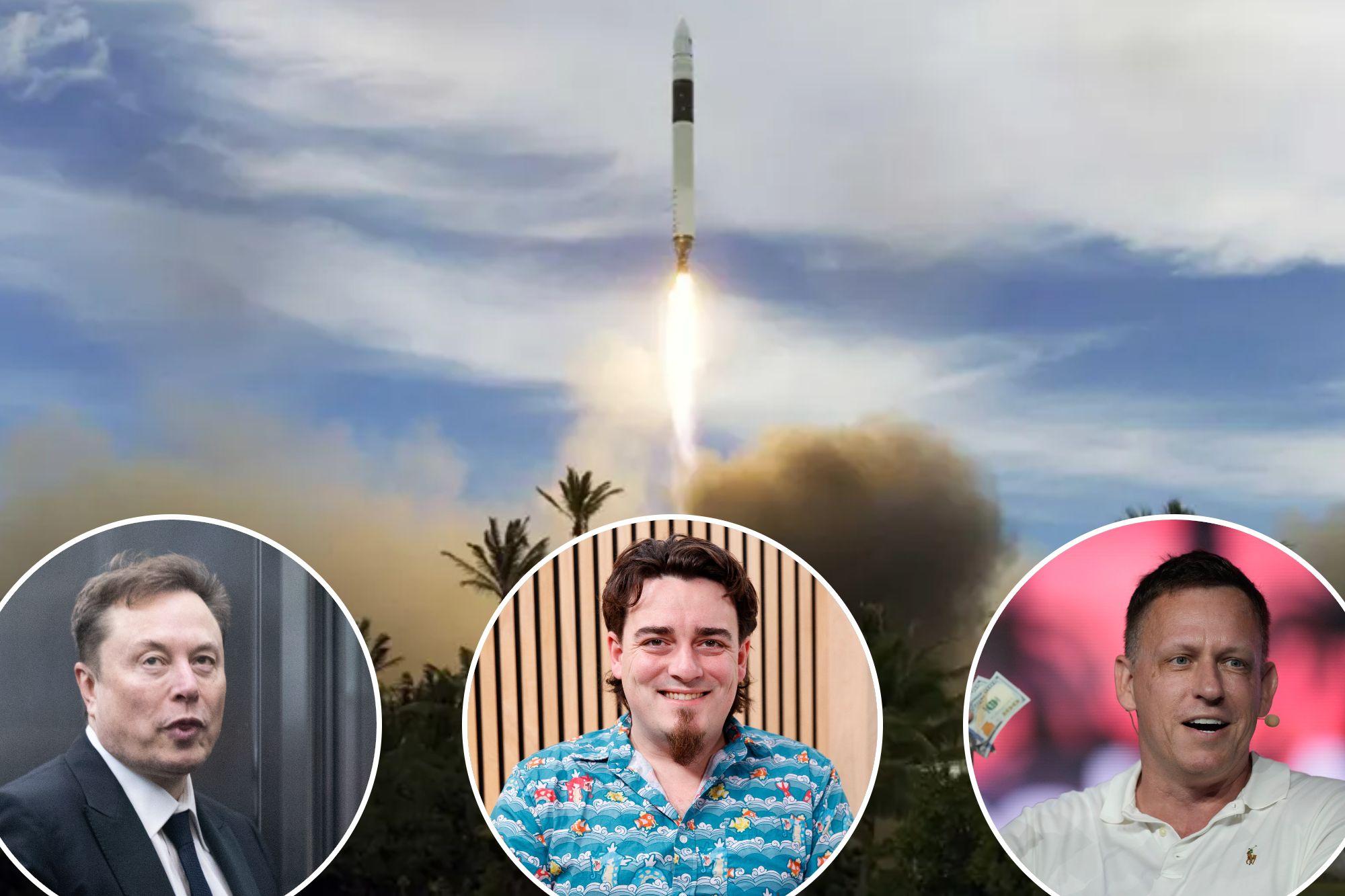
How a bunch of swashbuckling tech bros upended the way America fights its wars

A review of Sharon Weinberger’s 'Valley of Death' chronicles how Elon Musk, Palantir, Anduril, and other private tech firms disrupted U.S. defense contracting by self-funding weapons and space technology. It treats the shift as a historic divide and raises concerns about private control of war technology and reliance on China.

Right 3.0

CBS NewsSig. 8NewsAITechnologyPolitics

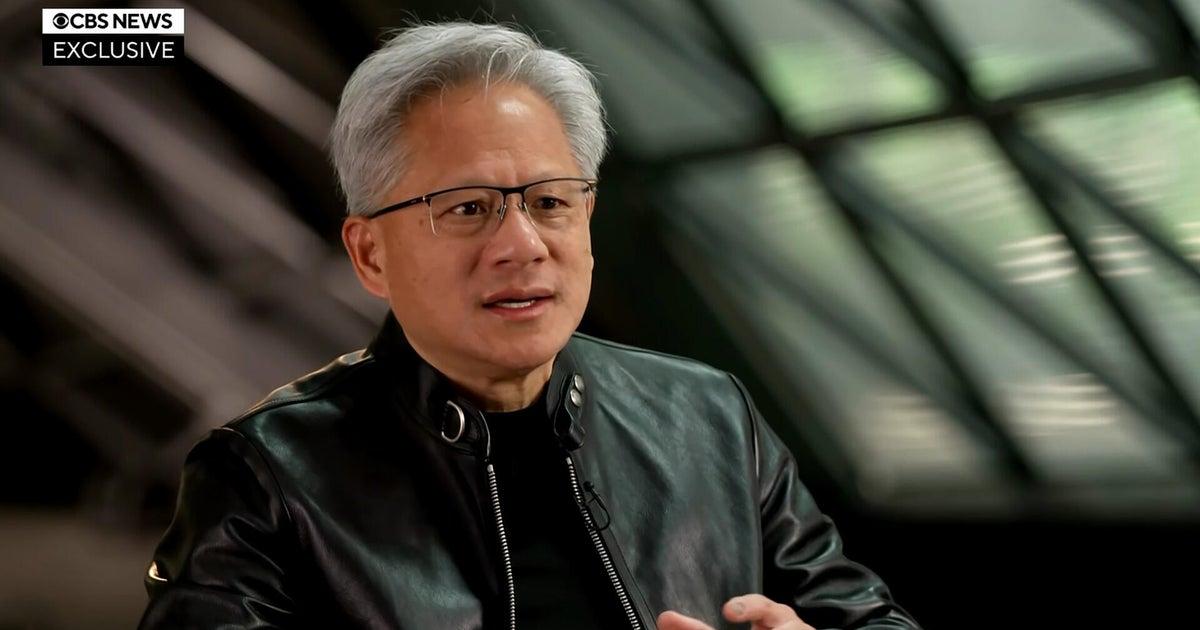
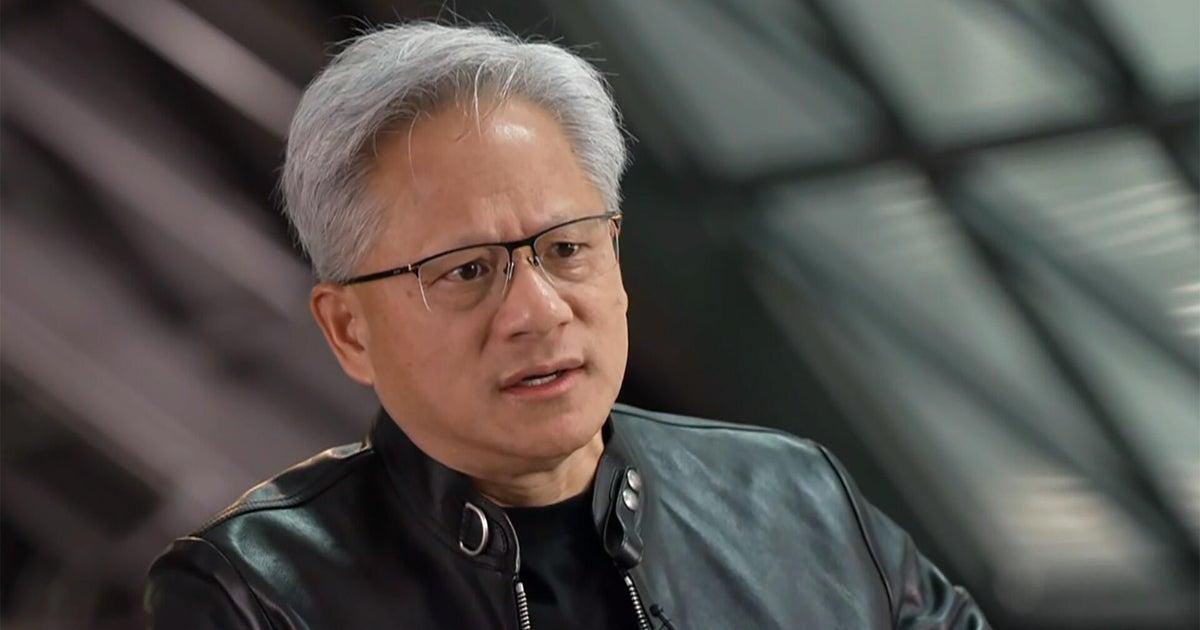
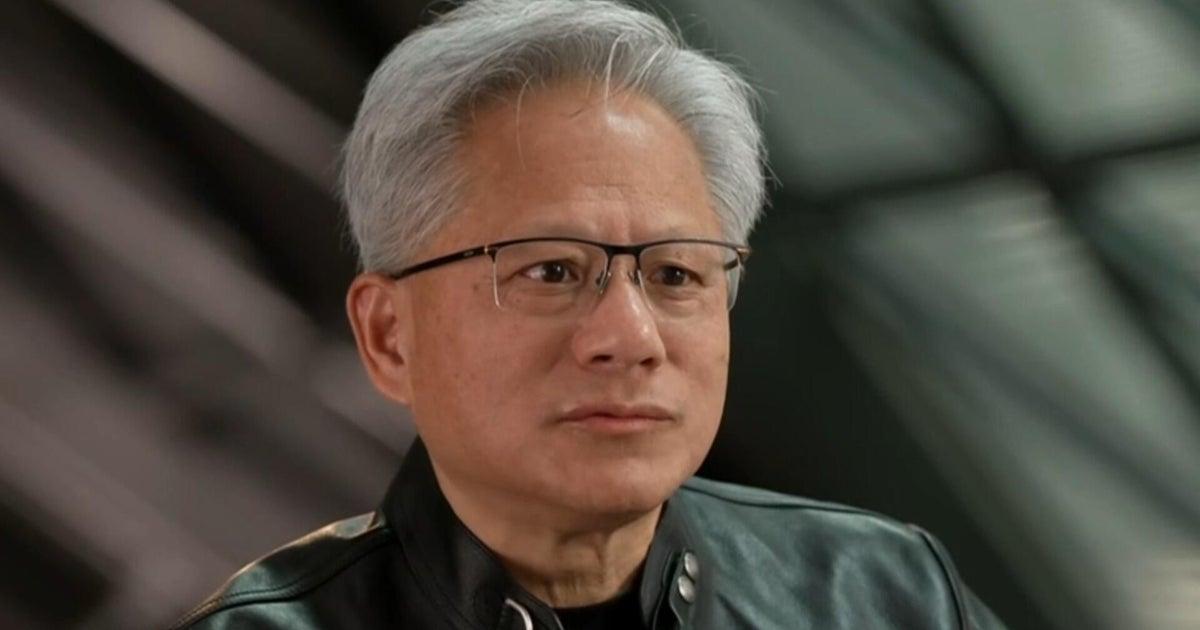
Nvidia's Jensen Huang rejects AI extinction fear as "doomsday narratives"

Nvidia CEO Jensen Huang told CBS News that warnings about AI causing human extinction by 2030 are unscientific "doomsday narratives," and he rejected new AI regulations while agreeing with President Trump that existing laws suffice. The interview also covered Nvidia's China business, data-center backlash, and Huang's support for a California billionaires' tax.

Neutral

CBS NewsSig. 3NewsAITechnologyMedia

Nvidia's Jensen Huang on artificial intelligence

A CBS News segment preview features correspondent Jo Ling Kent interviewing Nvidia CEO Jensen Huang about artificial intelligence, including safety and regulation debates. The item is a brief promotional description of the interview.

Neutral

AxiosSig. 8AnalysisAITechnology

The tech battle to build your AI assistant

AI personal assistants are moving from simple chatbots to autonomous agents that can manage daily tasks and personal data. The article surveys a fast-growing race among OpenAI, Instinct, Grok, Meta, and Apple, while noting unresolved questions about cost, privacy, and who owns the data these agents accumulate.

Neutral

Washington ExaminerSig. 6OpinionAIPoliticsTechnology

What if AI is the only way humanity can survive?

An op-ed argues that AI is not an existential threat and that pausing or heavily regulating it would be more dangerous, citing a new book by Grok 4.2. It claims Democratic politicians are using AI doom to gain power and that market-based self-regulation by AI companies is the best path, while warning about China's AI development.

Right 5.2

Washington ExaminerSig. 6OpinionAITechnologyPolitics

Why is Big Tech begging Trump for regulations? Just look at who benefits

An op-ed argues that Big Tech's calls for federal AI regulation are self-serving efforts to entrench market incumbents and hinder open-source competition. It praises Trump's deregulatory stance on AI, while urging conservatives to reject a sprawling federal AI bureaucracy and instead protect children and utility ratepayers through targeted enforcement.

Right 5.3

Fox NewsSig. 5NewsAILaborEconomy

WATCH: Exclusive look at blue-collar workforce fueling America’s AI boom

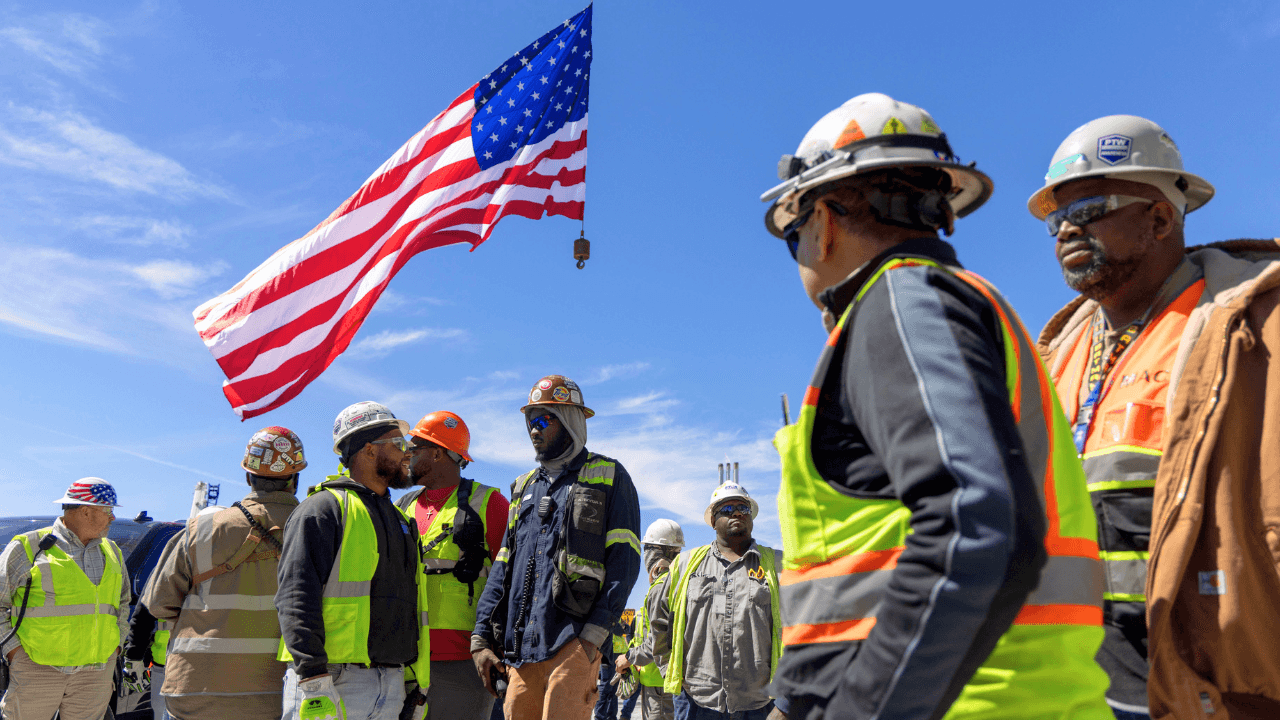
An exclusive look at a Houston training site under the Meta-backed America’s Workforce Academy, a $115 million initiative with Associated Builders and Contractors to prepare blue-collar workers for AI data center construction. The piece highlights the program as a response to a 349,000 construction worker shortage fueling the AI infrastructure buildout.

Right 1.3

Washington ExaminerSig. 7OpinionAIEconomyPolitics

Doomers worry AI is too powerful. Trump understands the real risk is if it’s not powerful enough.

The column argues that AI safety doomers and Democrats are pushing regulation while Trump is right to prioritize accelerating AI development to boost productivity and outgrow the U.S. fiscal crisis. It links AI and data-center investment to economic resilience amid rising Treasury yields, inflation, and debt concerns.

Right 4.7