Skip to content
TheBias Brief

BBC NewsSig. 6NewsForeignPoliticsTrade

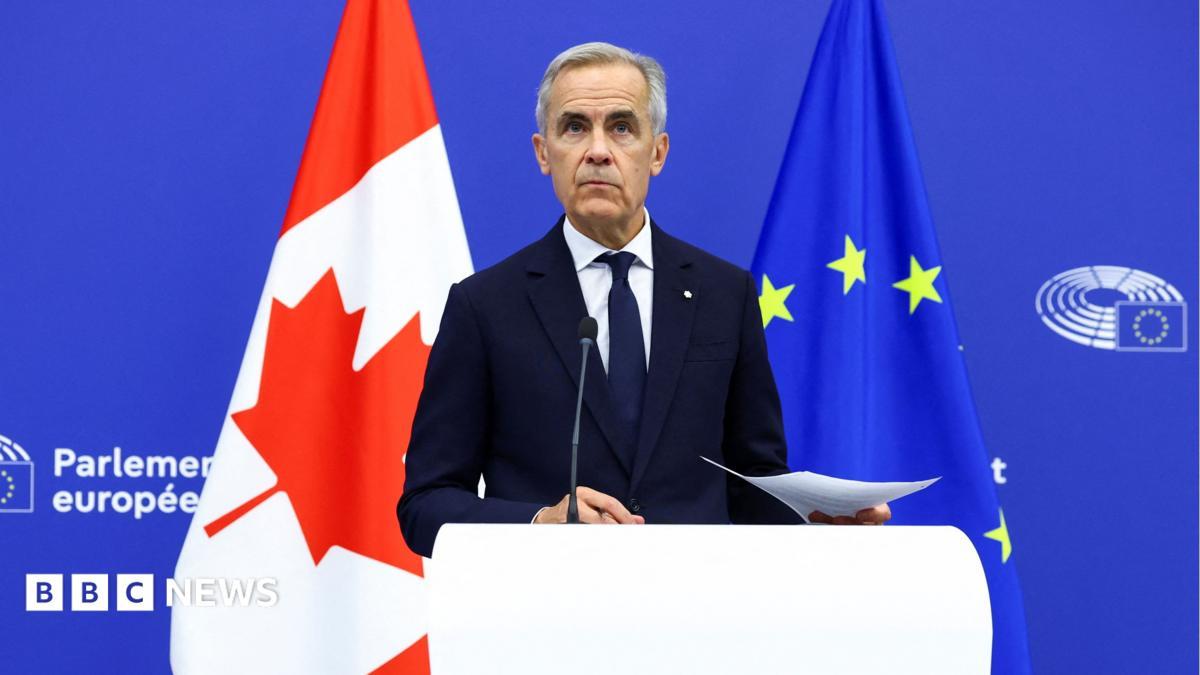
Watch: Is Canada about to join the EU?

Canadian Prime Minister Mark Carney told the European Parliament he welcomes the EU's ambition for Canada to become an "associate member," as both sides seek closer ties. European Commission President Ursula von der Leyen said she wants to open the door for Canada, while US President Donald Trump threatened action if the EU makes Canada its first associate member.
Washington ExaminerSig. 7NewsTradeForeignPolitics

White House seeks non-tariff pressure to enforce bilateral trade deals with China, others

The White House Council of Economic Advisers chairman said the Trump administration needs non-tariff tools to enforce bilateral trade deals, signaling support for a Republican bill targeting foreign officials who penalize U.S. companies. The article also previews upcoming Trump-Xi talks and notes China is lagging on soybean purchase commitments.

Right 2.0

BBC NewsSig. 7AnalysisForeignTradePolitics

What could EU associate member status mean for Canada?

Canadian Prime Minister Mark Carney welcomed an EU proposal to make Canada the first associate member of the bloc, though no such status currently exists. The article outlines possible areas of cooperation, including AI, critical minerals, defence, energy and space, and notes legal and geopolitical obstacles including US tariffs.

Neutral

The HillSig. 6NewsForeignPoliticsTrade

Trump to greet Xi at Joint Base Andrews ahead of state visit

President Trump will greet Chinese President Xi Jinping at Joint Base Andrews before Xi’s state visit to the White House, which includes bilateral meetings and a state dinner. The visit follows Trump’s trip to Beijing in May and is expected to cover trade, artificial intelligence and national security after the United Nations General Assembly meeting.

Neutral

Washington ExaminerSig. 7NewsForeignPoliticsTrade

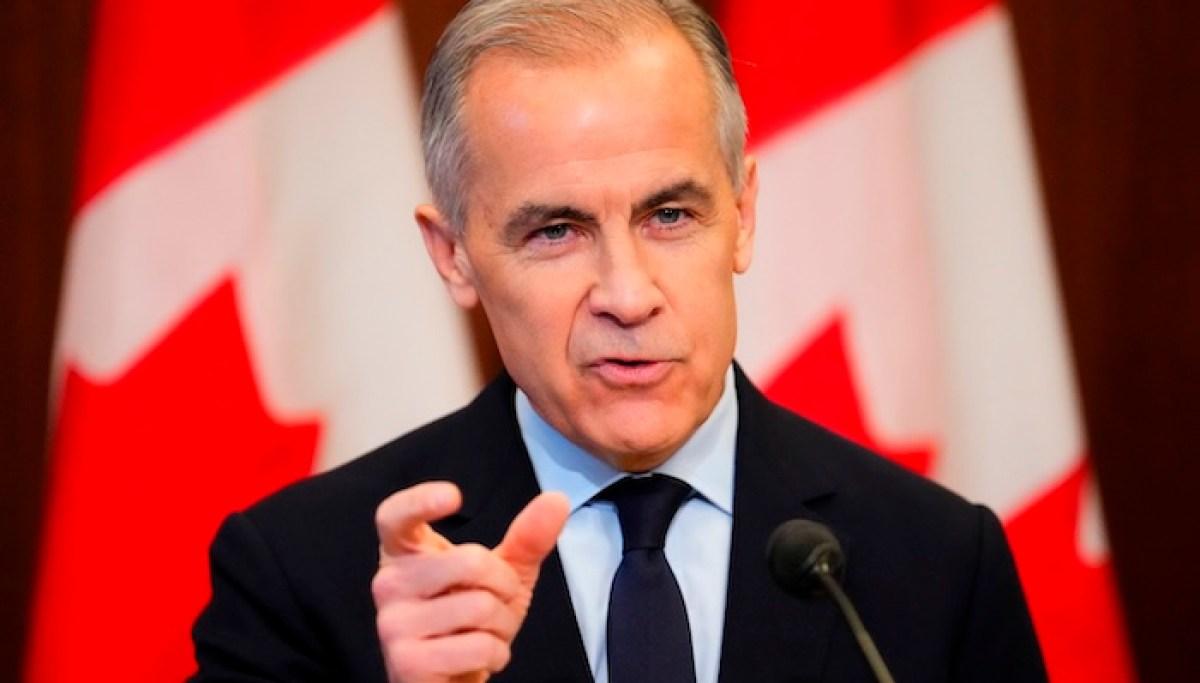
Mark Carney tries to soothe US fears in EU speech after move to become member

Canadian Prime Minister Mark Carney told the European Parliament that a planned EU-Canada associate-membership partnership would not harm the United States and would make Canada a better U.S. partner. The article notes U.S. tensions under President Trump, Trump's criticism of the plan as possibly a hostile act, and EU uncertainty about the proposal's details.

Right 2.9

Washington ExaminerSig. 6OpinionTradeEconomyForeign

Tariffs won’t save Detroit — locking China out of Mexico will

The op-ed argues that tariffs alone will not protect Detroit and that a U.S.-Mexico trade agreement should strengthen North American auto supply chains while excluding Chinese and other non-market content. It frames current trade tensions with Canada as disruptive and calls for a deal with Mexico that preserves integrated manufacturing and boosts U.S. jobs.

Right 2.5

The HillSig. 7NewsPoliticsForeignTrade

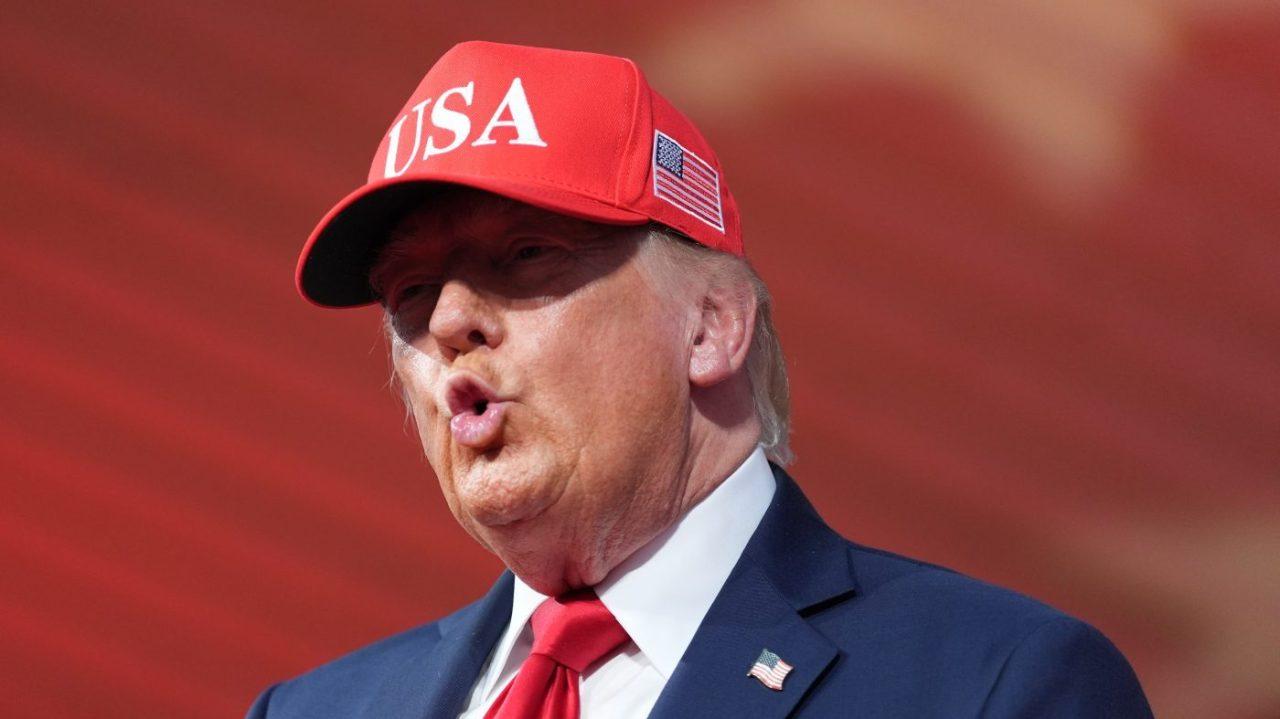
Trump: EU allowing Canada to become associate member could be ‘hostile act’

President Trump said the EU allowing Canada to become an associate member could be a “hostile act,” threatening serious tariffs or a trade embargo against Europe. The report also notes European Commission President Ursula von der Leyen proposing Canada as the EU’s first associate member and Canadian Prime Minister Mark Carney calling for deeper cooperation. It describes ongoing tariff exchanges between the U.S. and Canada.

Neutral

BBC NewsSig. 7NewsPoliticsForeignTrade

Canada welcomes EU proposal to become 'associate member'

Canadian Prime Minister Mark Carney welcomed an EU proposal for Canada to become its first 'associate member', urging closer cooperation on defence, critical minerals, and energy security. US President Donald Trump criticized the idea and threatened tariffs on Europe if he deemed it hostile. The new status does not currently exist and would require agreement from all EU member states.

Neutral

The HillSig. 7OpinionForeignTradeEconomy

BRICS is challenging the US-led order but can’t replace it yet

The article argues BRICS represents a growing coalition seeking strategic autonomy and reduced dependence on Western-led institutions, but internal divisions and China’s own coercive trade practices prevent it from replacing the U.S.-led order. It notes India brokered a 140-point New Delhi Declaration while China and Russia push parallel structures, leaving BRICS united more by opposition than by a shared vision.

Right 2.4

Washington ExaminerSig. 6OpinionHealthPoliticsTrade

American patients shouldn’t foot the bill for the world’s medicines

A former Republican congressman argues that U.S. patients pay disproportionately for global drug innovation because foreign governments impose price controls while American consumers absorb the difference. He praises Trump-era and bipartisan measures to expose middlemen and negotiate drug prices, and urges creation of a pharmaceutical trade negotiator to force other countries to pay more.

Right 5.2

Washington ExaminerSig. 7OpinionForeignTradePolitics

Mark Carney’s betrayal: Why Canada’s leap into the EU endangers America

An op-ed argues that Canadian Prime Minister Mark Carney's move toward EU associate membership is a betrayal of the U.S. that threatens American economic and security interests. It frames Canada's trade diversification and Arctic defense cooperation as a dangerous pivot away from North America and toward Brussels.

Right 5.3