Skip to content
TheBias Brief

New York PostSig. 5NewsTechnologyLawPolitics

Suffolk County delays controversial rollout of Flock Safety’s ‘Raven’ listening system

Suffolk County delayed replacing its ShotSpotter gunshot detection system with Flock Safety's controversial Raven listening system, renewing its SoundThinking contract for $1.2 million. The delay follows protests and vandalism against Flock's AI-powered surveillance cameras, while Flock denies Raven listens to conversations but acknowledges incidental speech may be captured.

New York PostSig. 7NewsTechnologyLawMedia

Tech watchdogs cry foul as Google’s adtech monopoly left intact by judge: ‘Embarrassing capitulation’

A federal judge unsealed a ruling that leaves Google’s adtech monopoly largely intact, imposing data-sharing and monitor remedies for six years rather than a breakup. Tech watchdogs and media groups criticized the decision as an “embarrassing capitulation,” while the Justice Department and Google each claimed partial victories. The article reports the reaction and details of the remedies.

Left 3.0

Washington ExaminerSig. 4OpinionElectionsMediaTechnology

Campaigns are burning $11.6 billion on ads. Speed is what actually wins

Political advertising is projected to reach $11.6 billion in the 2026 cycle, but the article argues that speed—rapid polling, research, and voter outreach—matters more than raw spending in close races. It advises campaigns to prepare data, vendors, and compliance ahead of late-breaking developments and to use text messaging and shorter polling loops for faster response.

Left 2.6

VoxSig. 5AnalysisAITechnology

How to be an AI minimalist

An advice/analysis piece explains why many Americans distrust AI and offers ways to reduce exposure to AI features, from disabling Siri and Apple Intelligence to adding '-ai' to Google searches. It interviews technologists and critics who describe AI as increasingly forced into everyday products and raise concerns about privacy, labor, inequality, and dehumanization.

Left 2.0

The GuardianSig. 7AnalysisAIPoliticsTechnology

Is Trump’s AI obsession walking the world into disaster? | Politics Weekly America

This podcast episode asks whether Donald Trump's enthusiasm for artificial intelligence could lead the world into disaster. It notes that tech bosses have called for a slowdown and government guardrails, while Trump dismisses doomsday predictions as a hoax. The discussion examines the motives behind his support for the AI industry.

Left 4.6

New York PostSig. 6NewsLawTechnology

Parents of UCLA grad Emily Normandin-Parker awarded $40M after daughter died when Uber driver left her on freeway

A California judge ordered Uber to pay $40 million to the parents of Emily Normandin-Parker, a UCLA graduate killed after an Uber driver left her and a friend on a freeway following a night out. The driver had ordered them out after the friend vomited, and the family accused Uber of negligence and putting profits over safety. Uber said it disagreed with the arbitration ruling but expressed sympathy for the family.

Left 2.1

VoxSig. 8AnalysisAIPoliticsTechnology

The adviser urging Trump to reject AI safety fears

The article profiles David Sacks, a venture capitalist and Trump adviser who has become a leading opponent of government AI safety regulation. It explains his influence on Trump's dismissive stance toward AI doomsday warnings and his alignment with the 'open weight' AI faction against OpenAI and Anthropic.

Left 2.9

Daily MailSig. 6NewsAITechnologyPolitics

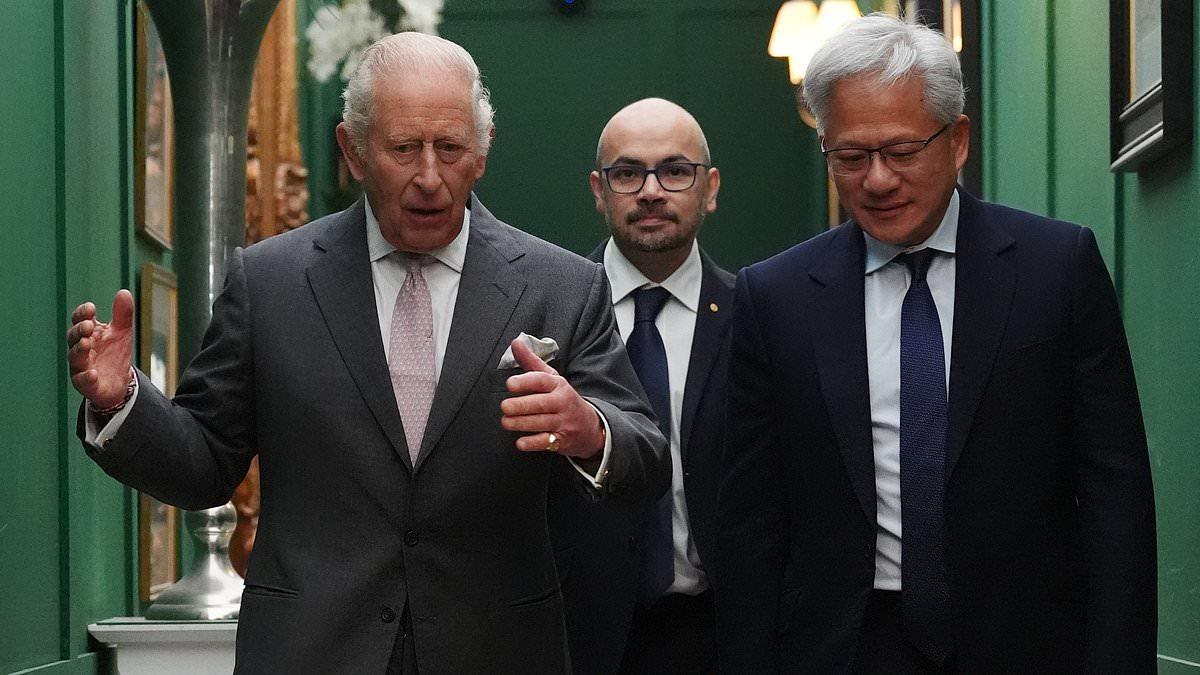
Charles warns tech giants of AI 'dangers': King gathers industry bosses to discuss rapid development and regulation

King Charles gathered AI industry leaders and the AI minister at Dumfries House, warning that artificial intelligence carries existential dangers and must be kept under sufficient control. He called for safety-focused development and international cooperation, with attendees including Nvidia, Google DeepMind, OpenAI, and Anthropic.

Left 2.8

Washington ExaminerSig. 6NewsHealthPoliticsTechnology

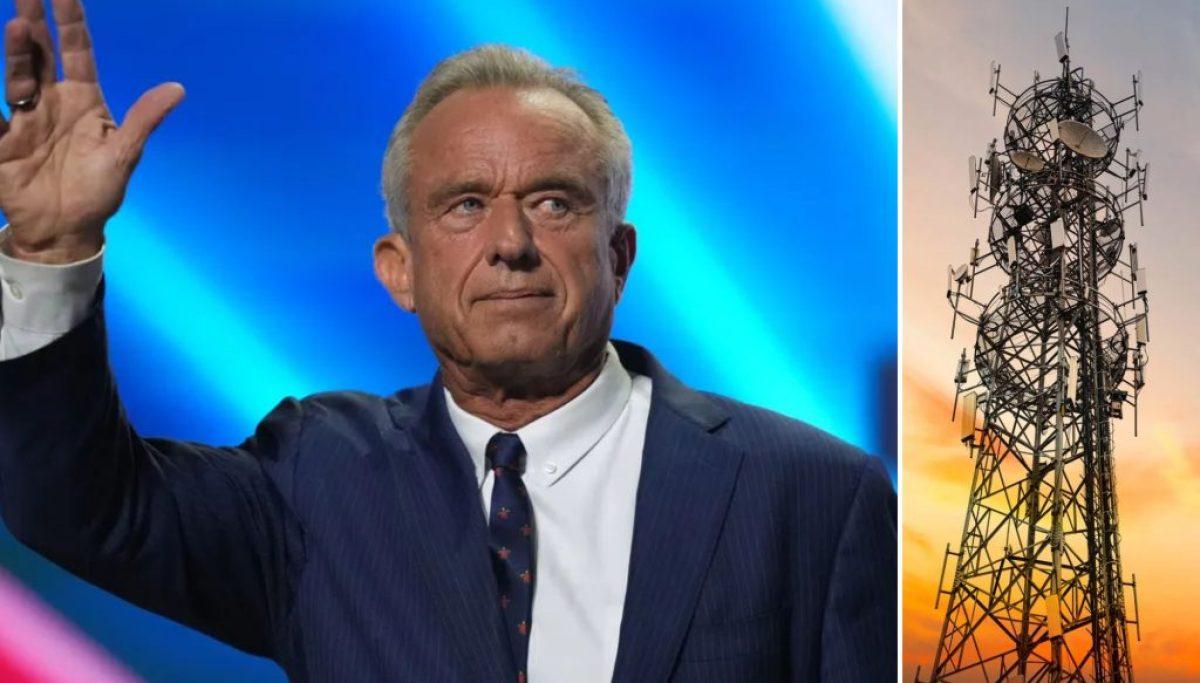
RFK Jr. takes step toward electromagnetic radiation rules

Health and Human Services Secretary Robert F. Kennedy Jr. has initiated a public comment process on the health effects of electromagnetic radiation from cellphones, WiFi, and other wireless technologies. The move, part of the Make America Healthy Again agenda, is based on disputed claims about health risks, while the FCC maintains there is no causal link to cancer or other illnesses.

Left 2.3