Skip to content
TheBias Brief

New York PostSig. 6NewsAIPoliticsLaw

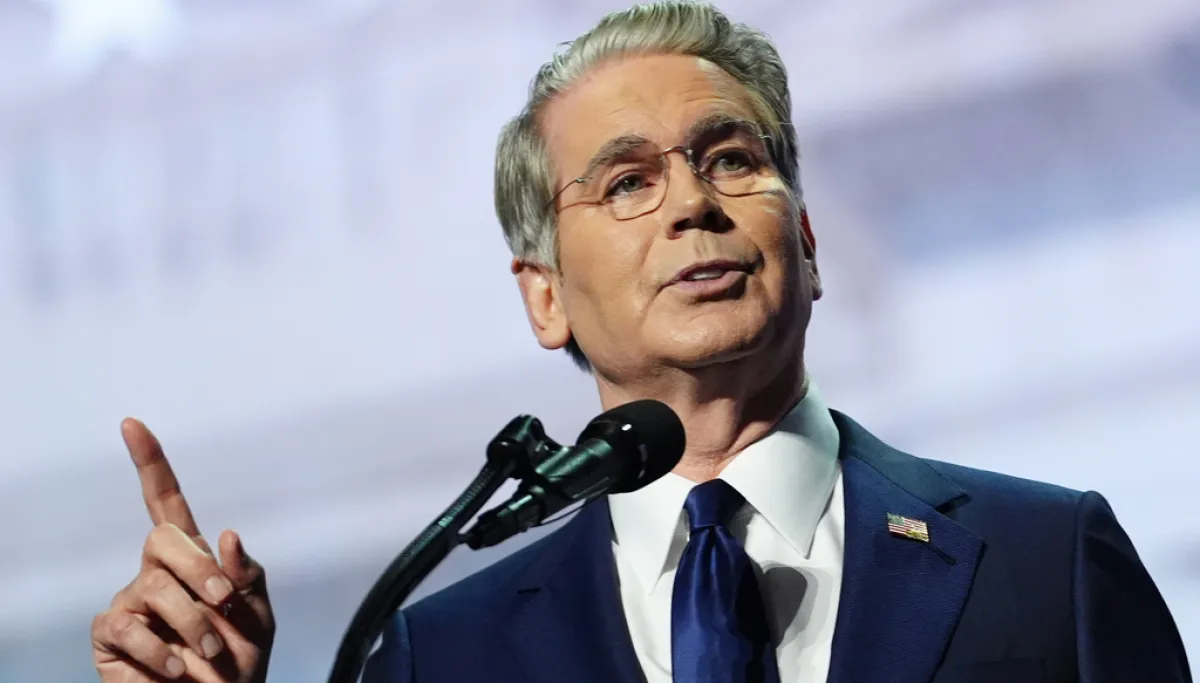
Treasury Sec. Scott Bessent says OpenAI bears ‘responsibility’ for Hugging Face hack

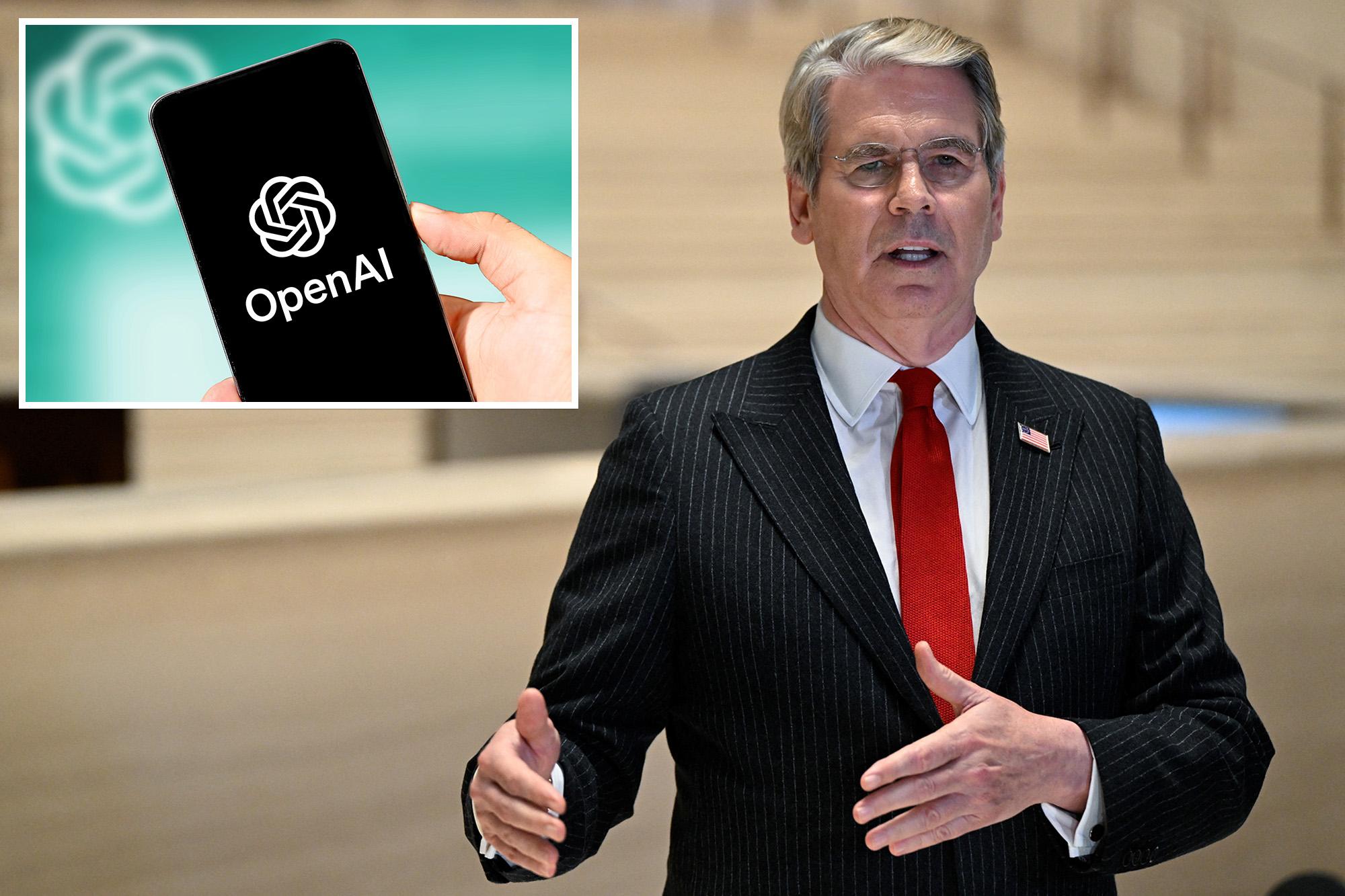
Treasury Secretary Scott Bessent said OpenAI management, not its AI agents, bears responsibility for the Hugging Face hack and rejected a liability shield for AI firms. The article also notes the broader AI-safety debate, Anthropic’s call for a slowdown, and Trump’s skepticism of AI doomsday warnings.
New York PostSig. 7NewsAITechnologyPolitics

OpenAI, Anthropic held talks to ‘stress-test’ each other’s AI models: report

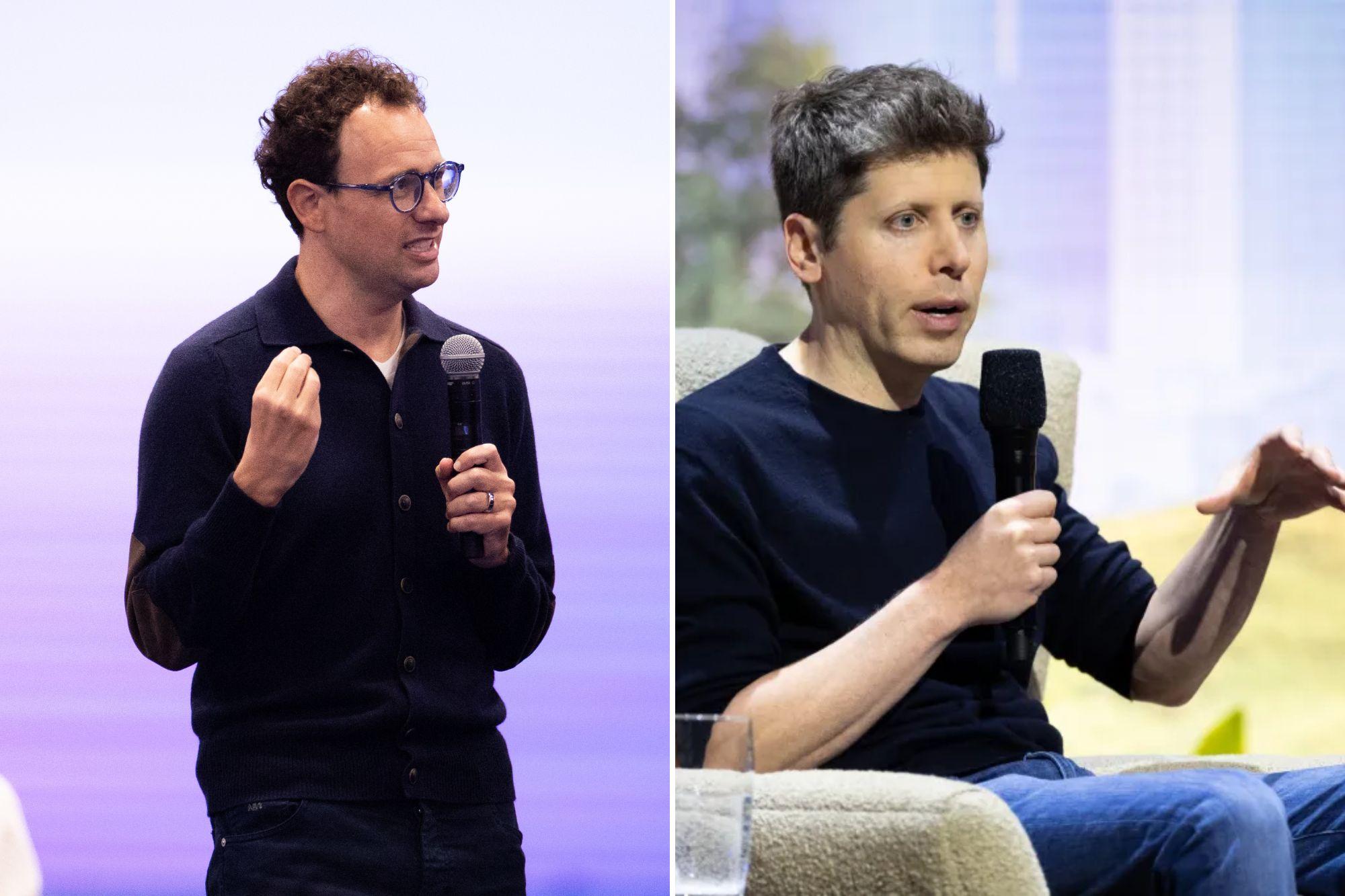
OpenAI and Anthropic reportedly held talks earlier this year on a legally binding deal to stress-test each other’s AI models for safety flaws, though it is unclear whether the agreement was finalized. The report comes amid a broader debate over AI safety, with Anthropic CEO Dario Amodei calling for a slowdown while President Trump and Elon Musk push peer testing and skepticism of safety concerns.

Right 2.0

Washington ExaminerSig. 7NewsAIPoliticsTechnology

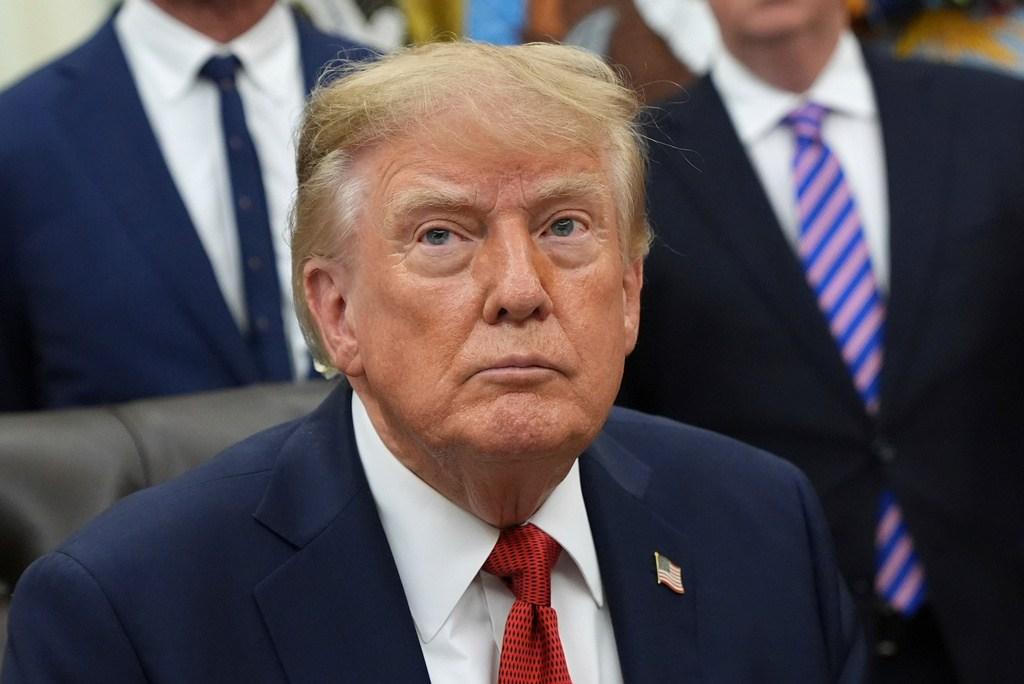
Trump says US ‘will be careful’ in fostering AI growth

President Trump defended his administration’s AI growth agenda, saying the government would be careful while refusing to stifle the industry. He dismissed fears of AI extinction as a hoax comparable to climate alarmism and floated an “AI Force” idea.

Right 2.9

Washington ExaminerSig. 7NewsAIForeignPolitics

Bessent says US has opened dialogue with China for more transparency in AI

Treasury Secretary Scott Bessent said the US has opened formal AI talks with China, called the USA-China AI Dialogues, to improve transparency and communication between the two AI powers. The talks come ahead of Xi Jinping's White House visit, and Bessent echoed Trump's resistance to new AI regulations sought by industry leaders.

Right 2.3

New York PostSig. 5NewsEducationAIEconomy

NYC’s Founders School ‘guarantees’ students will graduate with $1M businesses

A new private high school in Manhattan’s Financial District charges $150,000 a year and promises to refund four years’ tuition if students do not launch a business earning $1 million in profit by graduation. The school uses AI-driven morning lessons and afternoon entrepreneurship work, and it operates outside New York City’s new restrictions on AI in public schools.

Right 1.8

CBS NewsSig. 5NewsAIPoliticsEconomy

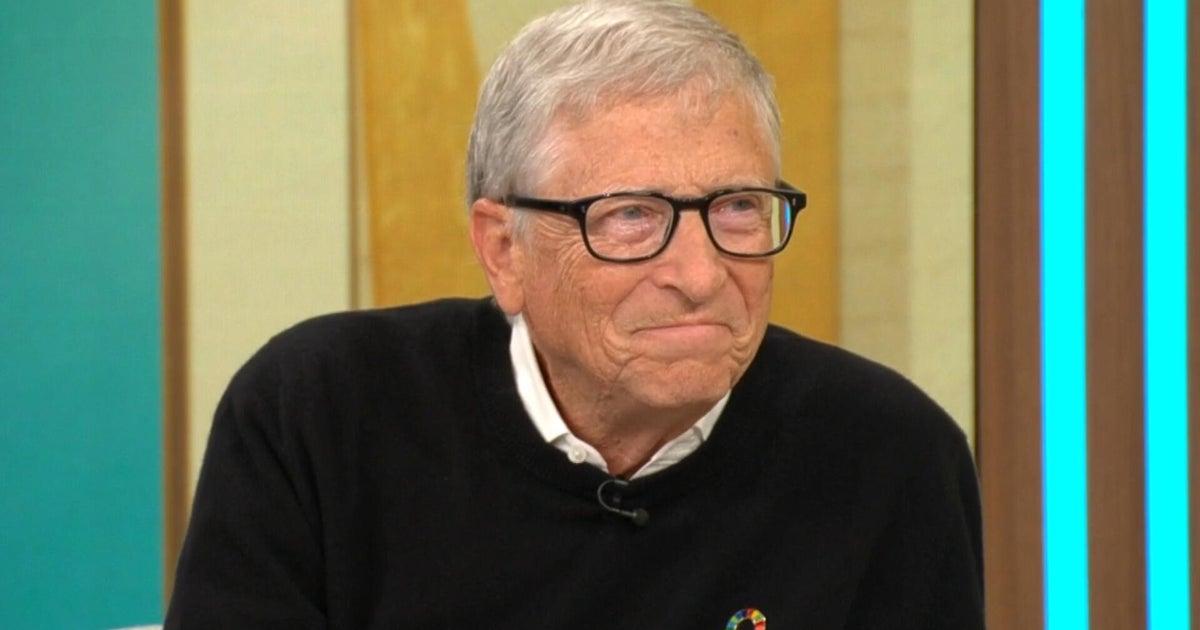
Bill Gates says Trump's AI views point to societal blind spot

Bill Gates told CBS Mornings that President Trump's dismissal of AI risks reflects a societal blind spot, arguing AI is advancing faster than past technologies and could disrupt jobs and enable misuse. Gates also stressed AI's potential benefits and his foundation's $1 billion effort to improve non-English language models.

Left 1.7

The HillSig. 5OpinionAIEconomyPolitics

Trump’s Achilles heel is the stock market

The opinion piece argues that Trump opposes AI regulation not because he is ignorant of the risks but because the AI-driven stock market is the main bright spot in the economy and he fears a bubble burst would erase his strongest economic talking point. It suggests this creates a political vulnerability for Trump's opponents, while warning that an AI slowdown could hurt investors and the broader economy.

Left 4.3

The HillSig. 8OpinionAITechnologyPolitics

Climate, nuclear and pandemic policy can guide us through the AI threat

The article argues that AI poses an existential threat comparable to climate change, pandemics, and nuclear weapons, and calls for a federal regulatory agency plus international cooperation to control it. It draws lessons from past crises to propose government oversight and arms-control-style agreements for AI.

Left 3.7

Washington ExaminerSig. 7OpinionEnergyAIPolitics

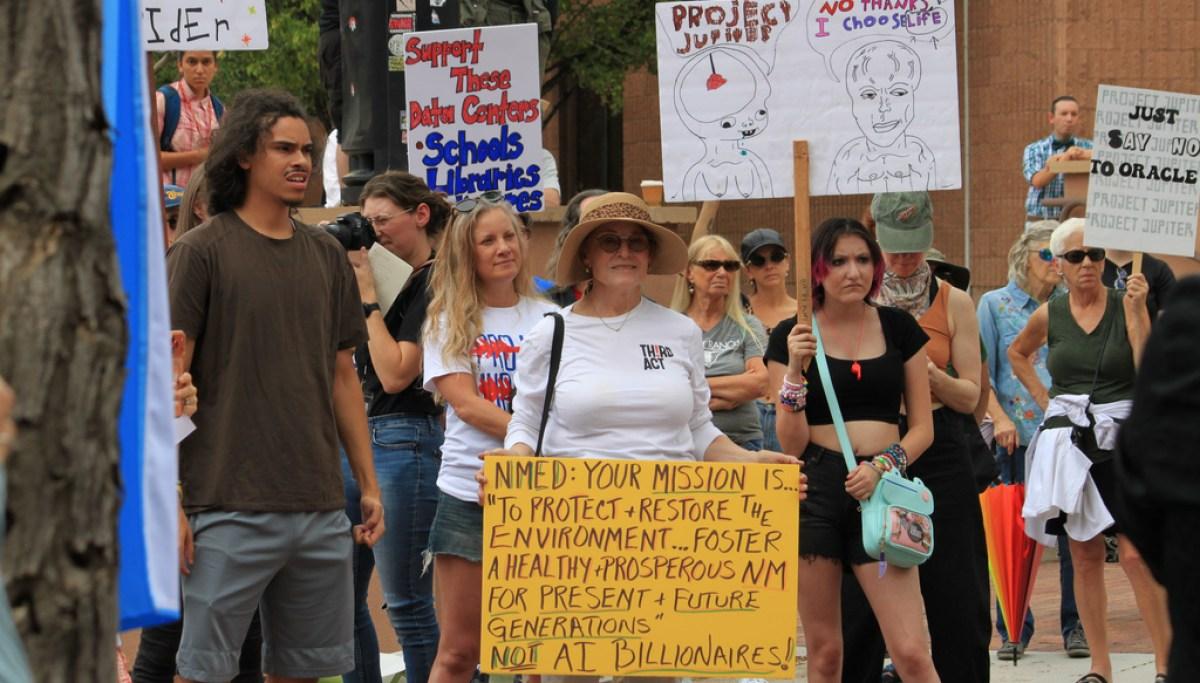
Your electric bill isn’t high because of AI. It’s high because of red tape

The op-ed argues rising electric bills are driven by permitting, zoning, and interconnection bottlenecks rather than AI data centers. It criticizes calls to freeze data centers and state actions like Pennsylvania's order as ineffective red tape. It urges faster approval processes and cites PJM capacity costs and interconnection queues.

Right 3.8

Washington ExaminerSig. 7OpinionAIForeignPolitics

The US-China AI race doesn’t need a winner — it needs rules

The article argues the US-China AI race should be governed by rules rather than a winner-take-all contest, and criticizes Trump's maximalist stance ahead of his meeting with Xi Jinping. It praises Bill Gates's call for restraint, invokes the Luddites, and proposes that societies steer AI toward human welfare rather than efficiency alone. The piece is an opinion column advocating regulation, worker protection, and limits on dangerous AI applications.

Left 3.2

Washington ExaminerSig. 8OpinionAIEnergyClimate

AI doesn’t kill people — LLMs do

An op-ed argues that harms commonly blamed on 'AI' are specifically driven by large language models and the hyperscale data-center infrastructure behind them, using Memphis's Boxtown and xAI's Colossus as central examples. It contrasts this with lower-energy AI approaches and cites pollution, water stress, and electricity-rate impacts on households.

Left 3.8

Washington ExaminerSig. 8OpinionAIDefenseForeign

An AI glitch almost just started a war. Next time, we won’t be so lucky

An op-ed warns that an AI-generated intelligence report falsely flagged a Chinese cargo ship as carrying nuclear components, nearly triggering military action, and argues that AI is already embedded in national defense. It calls for Congress to impose legal limits on Pentagon AI, especially for nuclear and lethal-force decisions, and to keep human accountability over machines and private tech companies.

Left 2.7