Skip to content
TheBias Brief

PBS NewsHourHigh impactNewsAIForeignPolitics

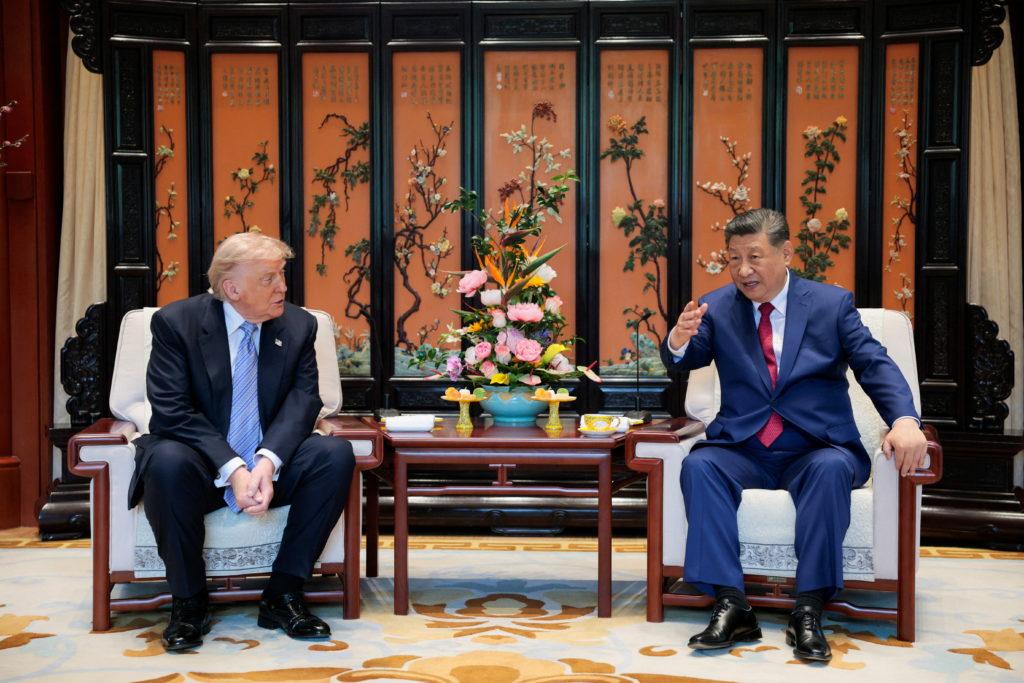
As China and U.S. compete for AI dominance, both have shared concerns over safety

U.S. and Chinese leaders are expected to meet amid shared concerns about AI safety even as the two countries compete for AI dominance. The article outlines possible areas for cooperation on AI emergency notifications and obstacles including export controls and distillation accusations.

New York TimesSig. 7NewsAIEconomyEnergy

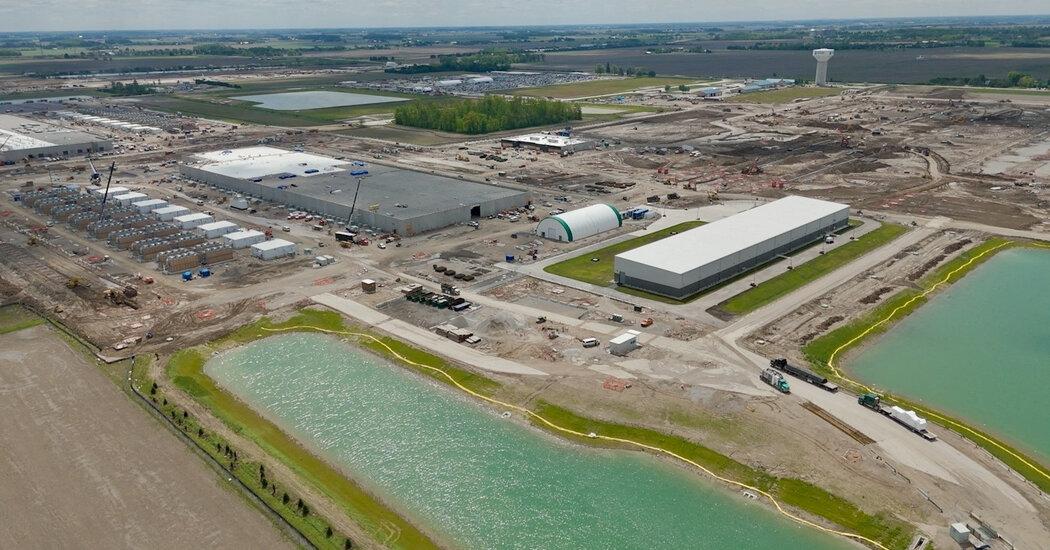
Wall Street Is Growing Skeptical of the Data Center Boom

Wall Street investors are growing skeptical of the data center boom, prompting companies tied to AI infrastructure to delay major IPOs. The article links this market hesitation to public backlash against energy-intensive data centers and uncertainty over growth expectations.

Left 1.8

NPRSig. 7NewsAITechnologyPolitics

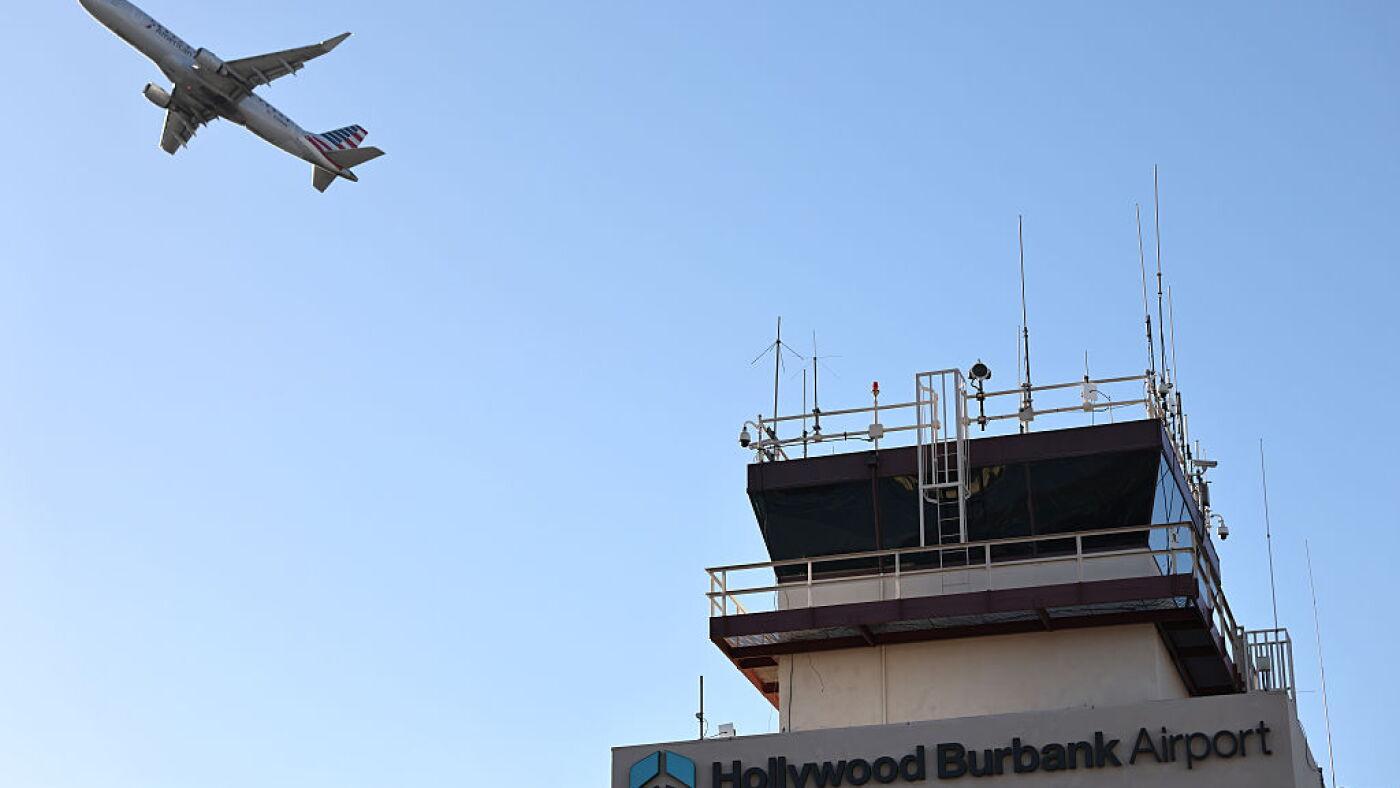
Aviation regulators turn to AI to help manage the nation's airspace

The FAA launched an $875 million AI system called SMART to help manage U.S. airspace, starting at three Washington, D.C.-area airports. Officials say it will ease controller workloads and reduce delays, while skeptics and the controllers' union question whether it addresses deeper staffing and system problems.

Neutral

AxiosSig. 7NewsAIForeignPolitics

Ahead of Sam Altman's UN address, OpenAI proposes new ways to track AI misalignment risks

OpenAI released proposed international AI safety standards as the U.S. and China discuss a dialogue on AI incident reporting and risk. CEO Sam Altman is set to address the UN Security Council, while officials and industry leaders prepare for Trump-Xi meetings. The proposal recommends shared measurements and using global AI safety institutes to classify, track, and respond to alignment issues.

Neutral

The HillSig. 4NewsAITechnologyPolitics

Watch live: Duffy gives remarks as FAA rolls out AI tool for air traffic control

Transportation Secretary Sean Duffy is giving remarks as the FAA rolls out a new AI tool, the SMART program, to help air traffic controllers manage congestion and reduce flight delays. The rollout begins at Reagan Washington National, Dulles International, and Baltimore-Washington International airports. The article notes Duffy previously dismissed concerns that AI would replace controllers.

Neutral

CBS NewsSig. 5NewsAIPoliticsEconomy

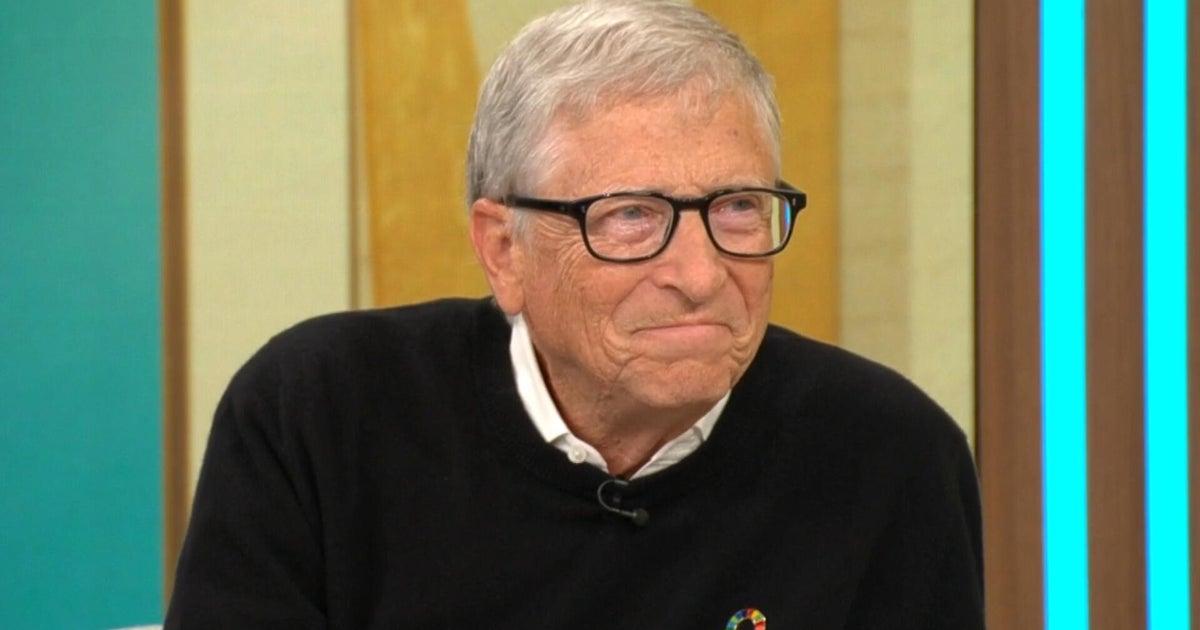
Bill Gates says Trump's AI views point to societal blind spot

Bill Gates told CBS Mornings that President Trump's dismissal of AI risks reflects a societal blind spot, arguing AI is advancing faster than past technologies and could disrupt jobs and enable misuse. Gates also stressed AI's potential benefits and his foundation's $1 billion effort to improve non-English language models.

Left 1.7

The HillSig. 5OpinionAIEconomyPolitics

Trump’s Achilles heel is the stock market

The opinion piece argues that Trump opposes AI regulation not because he is ignorant of the risks but because the AI-driven stock market is the main bright spot in the economy and he fears a bubble burst would erase his strongest economic talking point. It suggests this creates a political vulnerability for Trump's opponents, while warning that an AI slowdown could hurt investors and the broader economy.

Left 4.3

The HillSig. 8OpinionAITechnologyPolitics

Climate, nuclear and pandemic policy can guide us through the AI threat

The article argues that AI poses an existential threat comparable to climate change, pandemics, and nuclear weapons, and calls for a federal regulatory agency plus international cooperation to control it. It draws lessons from past crises to propose government oversight and arms-control-style agreements for AI.

Left 3.7

Washington ExaminerSig. 7OpinionAITechnology

The AI apocalypse hypothesis has a fatal flaw: The training data

The article argues that the fear of an AI apocalypse overlooks a safeguard: AI systems are trained on humanity's accumulated knowledge and moral judgments, which may incline them toward benevolence. It acknowledges risks and supports safety research and regulation but remains hopeful that human values embedded in training data could protect against catastrophe.

Neutral